

Most people fall into two groups: savers and spenders. Savers focus on securing their future through retirement savings, while spenders prioritize enjoying life now and expect to handle the future later. Both approaches have pros and cons, so the key question is: Which one is better?
What Does “Living a Good Life” Mean?
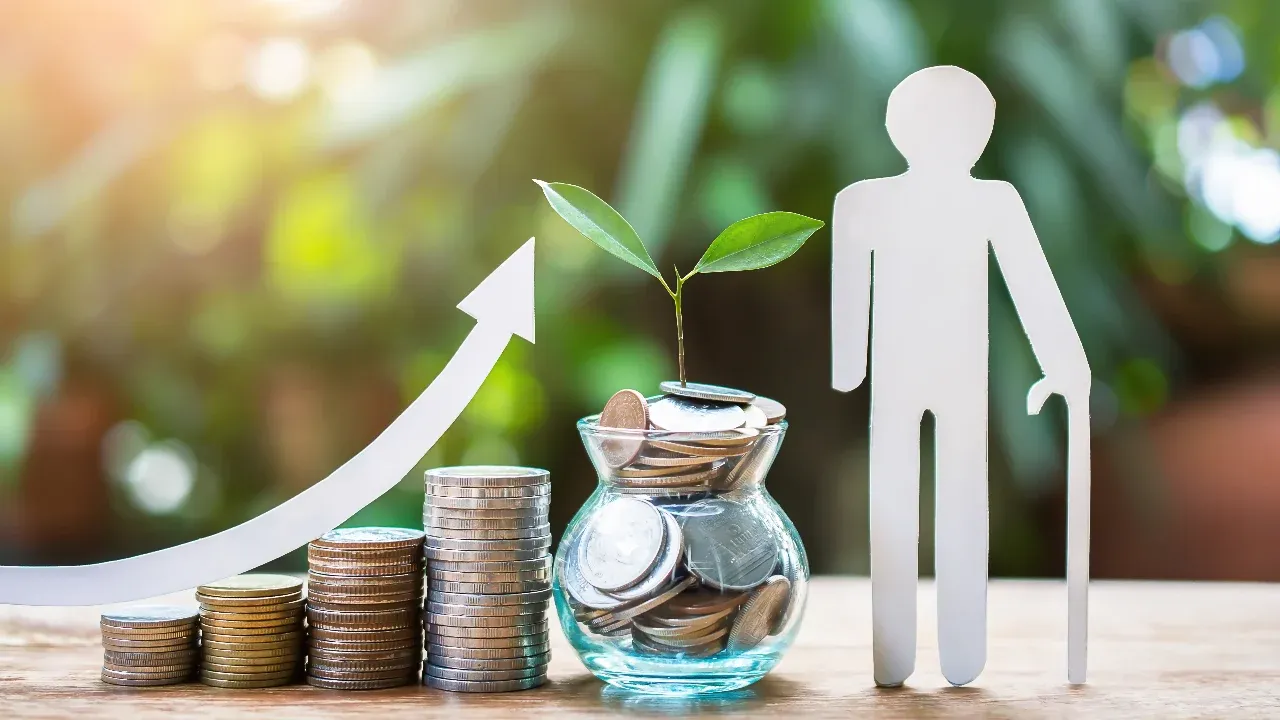
Living a good life doesn’t mean ignoring money. In fact, money plays an important role in providing basic needs like food, housing, healthcare, and education. Managing money well allows you to enjoy life while staying financially stable.
Benefits:
- Freedom and flexibility: You can choose how and where to live.
- Better quality of life: You can afford experiences, hobbies, and goals.
- Security: Having enough money reduces stress about basic needs.
- Opportunities: You can invest in dreams like starting a business or supporting your family.
Downsides:
- Over-focus on money can lead to stress or unhealthy behavior.
- Conflicts may arise in relationships due to spending differences.
- Chasing a luxury lifestyle can reduce long-term financial stability.
Why Saving for Retirement Matters

Even if retirement feels far away, starting early is essential. Saving helps you build long-term security and prepares you for unexpected situations.
Benefits:
- Financial flexibility: Saving small amounts early is easier than large amounts later.
- Compound interest: Your money grows over time.
- Investment opportunities: Early investing allows for higher returns.
- Inflation protection: Savings help maintain purchasing power.
- Independence: You don’t have to rely on uncertain systems like Social Security.
Can You Do Both?
Yes — and that’s the best approach.
You don’t have to choose between enjoying life and saving for the future. The goal is to find a balance:
How to balance:
- Earn enough income to support both spending and saving.
- Understand your financial situation (income, expenses, savings).
- Set priorities: cover needs first, then plan for wants and savings.
- Adjust your plan over time as life changes.
- Stay flexible for unexpected events like inflation or emergencies.
Final Thought
You don’t need to live extremely frugally or spend without limits. The smartest approach is to enjoy your life today while still preparing for tomorrow. Even small, consistent savings combined with mindful spending can lead to long-term financial well-being.