
Today, there are countless “superfoods” being promoted everywhere. This article simplifies things:
You don’t need trendy foods—just focus on nutrient-dense, proven healthy foods
These 15 foods support:
- Heart health
- Brain function
- Muscle recovery
- Disease prevention
1. Fish
Why it’s important:
Fish is rich in Omega-3 fatty acids
Benefits:
- Reduces risk of:
- Stroke
- Heart disease
- Cancer
👉 Best types:
- Salmon
- Sardines
- Mackerel
2. Broccoli (and Cruciferous Vegetables)
Nutrients:
- Glucosinolates (detox compounds)
Benefits:
- Supports detoxification
- Protects against disease
👉 Best way to eat:
- Raw or lightly steamed (5–10 minutes)
3. Beets
Key compounds:
- Nitrates → converted into nitric oxide
Benefits:
- Improves blood flow
- Boosts exercise endurance
- Supports heart health
4. Spinach (and Leafy Greens)
Key nutrients:
- Lutein
- Zeaxanthin
Benefits:
- Protects eye health
- Reduces risk of vision problems
5. Kale
Why it’s powerful:
- Extremely nutrient-dense
- High in antioxidants
Benefits:
- Lowers cholesterol
- Supports overall health
6. Peanut Butter
Nutrients:
- Protein
- Healthy fats
- Carbohydrates
Benefits:
- Great for recovery after workouts
- Provides quick energy
👉 Note: Choose natural (low sugar) versions
7. Almonds
Key nutrient:
- Vitamin E
Benefits:
- Protects eyes
- Reduces risk of cataracts
- Supports skin health
👉 Recommended: a handful per day
8. Mangoes
Nutrients:
- Vitamin A
- Vitamin C
- Fiber
Benefits:
- Boosts immunity
- Supports digestion
- Low in calories
9. Blueberries
Key compound:
- Antioxidants (including resveratrol)
Benefits:
- Protects cells from damage
- Supports brain health
- Reduces inflammation
👉 Tip: Great with oatmeal
10. Mediterranean Diet (Overall Pattern)
What it includes:
- Lean proteins
- Vegetables
- Healthy fats
Benefits:
- Supports mental health
- Helps maintain healthy weight
👉 Key idea:
It’s not just one food—it’s a balanced eating style
11. Chocolate (In Moderation)
Why it’s included:
- Can be part of a healthy diet
Benefits:
- Improves mood
- Provides antioxidants
👉 Important:
- Eat occasionally
- Avoid emotional overeating
12. Quinoa
Nutritional profile:
- High protein
- High fiber
- Low glycemic index
Benefits:
- Keeps blood sugar stable
- Supports muscle building
- Good alternative to refined carbs
13. Legumes (Beans, Chickpeas, Lentils)
Benefits:
- High in protein and fiber
- Very filling
- Supports digestion
👉 Example:
- Hummus (healthy dip alternative)
14. Pickled Vegetables
Why they matter:
- Add flavor to meals
- Encourage eating more vegetables
Benefits:
- Support digestion
- Increase variety in diet
👉 Example:
- Pickled carrots
- Pickled cucumbers
15. Chocolate Milk
Why it’s included:
- Good post-workout recovery drink
Benefits:
- Provides protein + carbs
- Helps muscle recovery
Key Takeaways
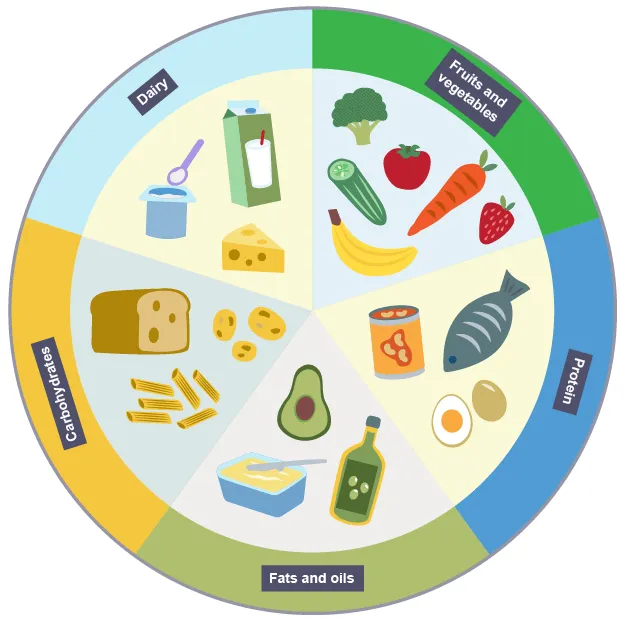
1. Variety is the most important factor
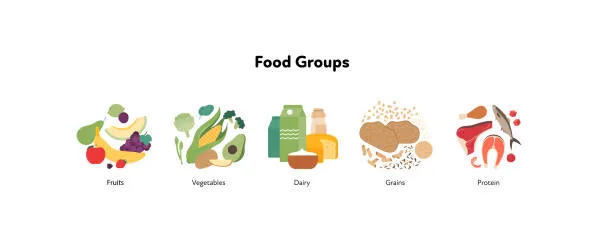
No single food is enough.
👉 You need:
- Protein
- Healthy fats
- Carbohydrates
- Vitamins & minerals
2. Focus on whole, natural foods
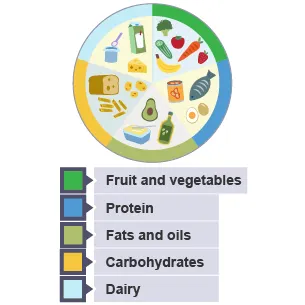
Most items on the list are:
- Minimally processed
- Nutrient-dense
3. Balance is everything
Even foods like chocolate:
- Are okay in moderation
4. Food supports performance and health
These foods help:
- Build muscle
- Improve energy
- Prevent disease
Final Summary
To eat healthy:
✔ Include fish, vegetables, fruits, and nuts
✔ Choose whole foods over processed foods
✔ Eat a variety of nutrients
✔ Don’t eliminate foods—balance them
Final Truth
There is no single “perfect food”—but a combination of good foods creates a powerful, healthy diet.