
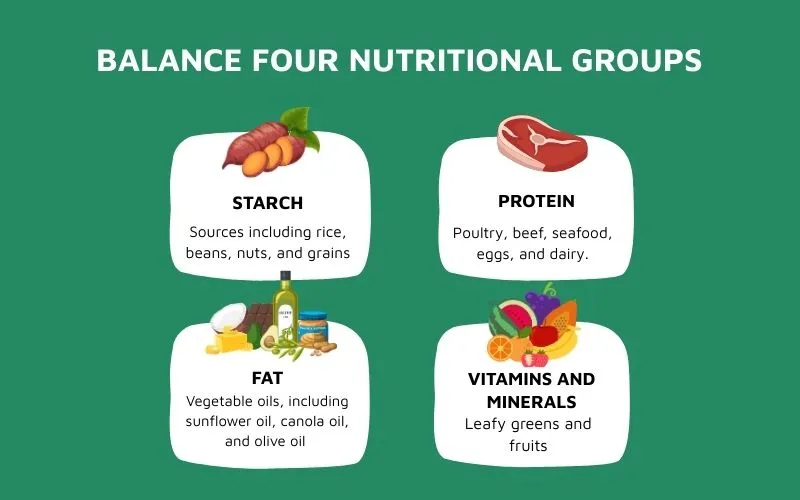
Many people believe extreme habits lead to better health:
- Eating only one “superfood” (like broccoli)
- Skipping meals or fasting aggressively
👉 But this is not healthy.
Healthy eating is about balance, variety, and moderation, not restriction.
1. Why Balance Matters Nutritionally
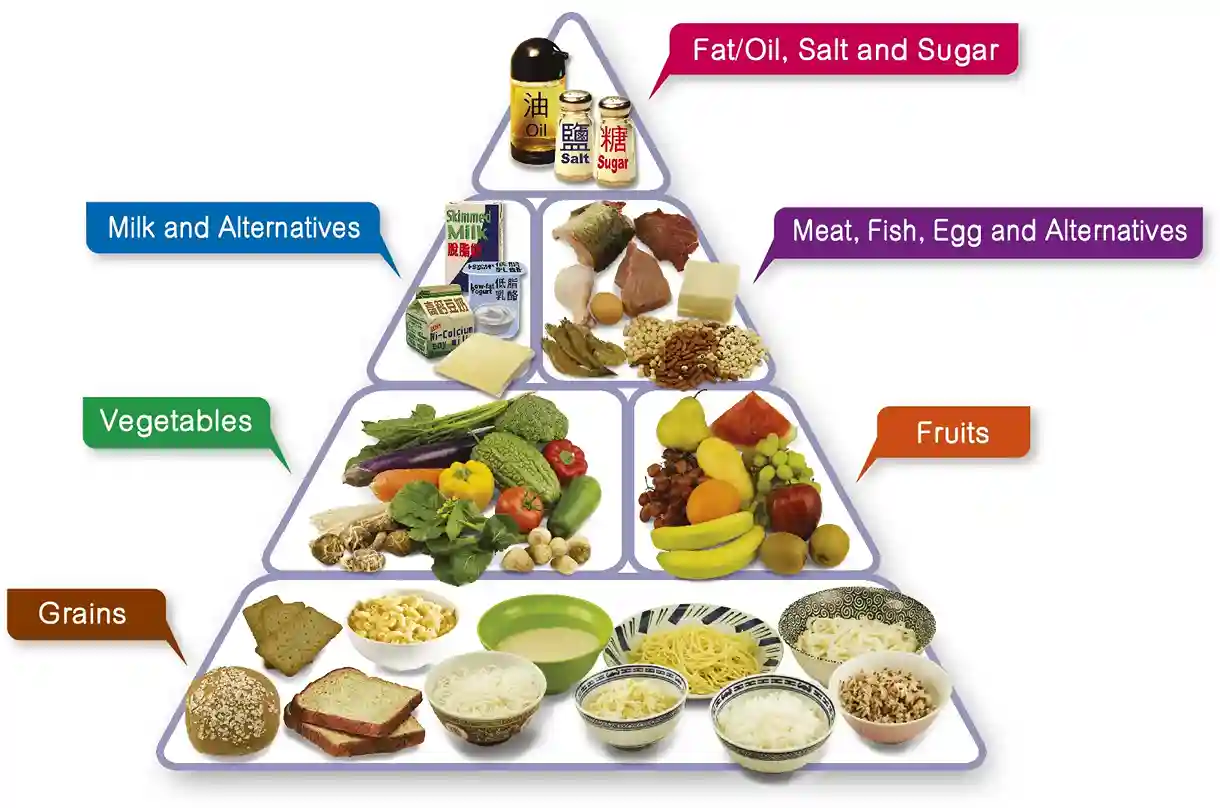
Your body needs a mix of different nutrients every day to function properly.
These nutrients include:
- Proteins → build and repair muscles
- Carbohydrates → provide energy
- Fats → support hormones and brain
- Vitamins and minerals → keep your body systems working
👉 If you remove one group:
- Your body becomes unbalanced
- You may feel tired, weak, or unhealthy
2. How Many Meals Should You Eat?
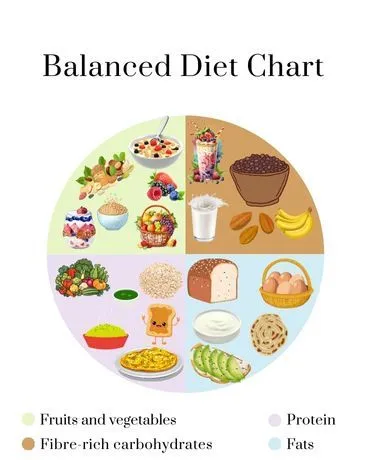
The article recommends:
- 4–5 meals per day
Structure:
- 3 main meals:
- Breakfast
- Lunch
- Dinner
- 1–2 snacks in between
👉 Why?
- Keeps energy stable
- Prevents extreme hunger
- Avoids overeating later
3. What Should Each Meal Contain?
Each main meal should include all major nutrient groups:
✔ Proteins
✔ Carbohydrates
✔ Fats
✔ Vitamins & minerals
✔ Fluids (preferably water)
👉 This is the core idea of balanced eating.
4. Where to Find Each Nutritionally
Proteins
Help build muscles and repair the body
Sources:
- Eggs
- Meat
- Dairy
- Pulses (beans, lentils)
Carbohydrates
Main source of energy
Sources:
- Bread
- Pasta
- Rice
- Cereals
- Flour-based foods
Vitamins & Minerals
Support immunity and overall health
Sources:
- Fruits
- Vegetables
Healthy Fats
Important for brain and hormones
Sources:
- Olive oil
- Avocado
- Nuts
- Blue fish (like salmon)
Water (Very Important)
- Keeps your body hydrated
- Supports digestion and energy
5. What About Snacks?
Snacks help keep your energy steady between meals.
Good snack options:
- Nuts
- Yogurt
- Fresh fruit
- Bread with cheese or turkey
👉 These prevent you from becoming “ravenous” (extremely hungry).
6. How to Combine Foods (Simple Rule)
The article’s main idea:
Mix different food types in each meal.
You don’t need complicated recipes—just combine:
- Protein
- Carbs
- Vegetables
- Healthy fats
7. Example of Balanced Meals
Breakfast
- Toast
- Olive oil
- Tomato
- Coffee
👉 Includes carbs + fats + vitamins
Lunch
- Pasta
- Turkey
- Fruit
👉 Balanced with protein + carbs + nutrients
Dinner
- Omelette
- Salad
- Bread
👉 Light but still complete
8. Important Mindset: Don’t Overcomplicate It
The article emphasizes:
It’s simple—you don’t need perfection.
- Not every meal has to be perfect
- Your body works in cycles
- Occasional imbalance is normal
9. Additional Healthy Eating Tips
✔ Eat a variety of foods
✔ Don’t rely on one food group
✔ Limit unhealthy items:
- Sugary foods
- Processed snacks
✔ Practice moderation:
- Red meat → in moderation
- Sweets → occasional
10. Don’t Forget Physical Activity
The article also reminds:
Health is not only about food.
Stay active:
- Walk
- Take stairs
- Dance
👉 Movement improves:
- Energy
- Mood
- Overall health
Final Summary
To design balanced meals:
✔ Eat 4–5 times per day
✔ Include all food groups in main meals
✔ Choose variety
✔ Snack smartly
✔ Stay hydrated
✔ Stay active