
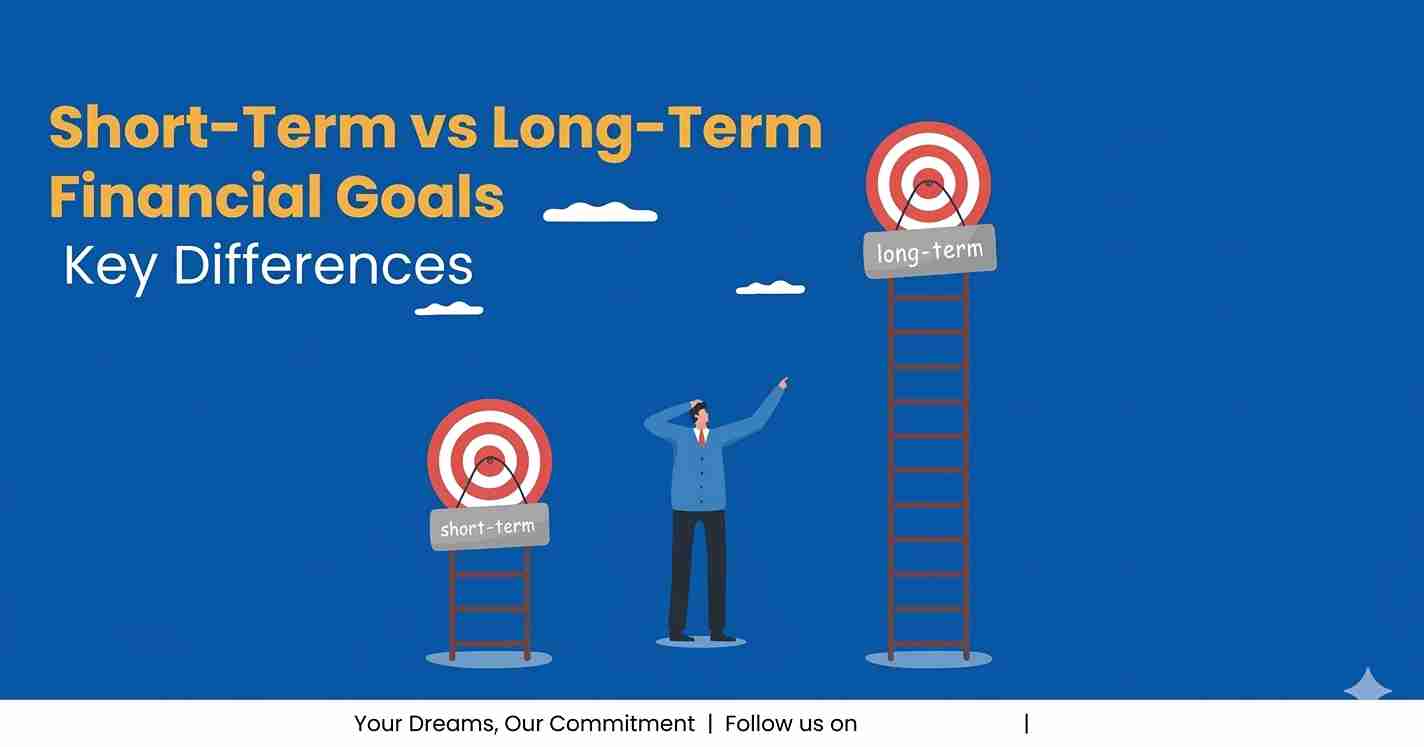
Setting financial goals is one of the most important steps toward achieving long-term stability and financial freedom for yourself and your family. Without clear objectives, it’s easy to overspend, under-save, or miss out on key opportunities to grow wealth. Whether your focus is building an emergency fund, investing for retirement, or paying off debt, having a structured plan can make all the difference.
Understanding Different Types of Financial Goals
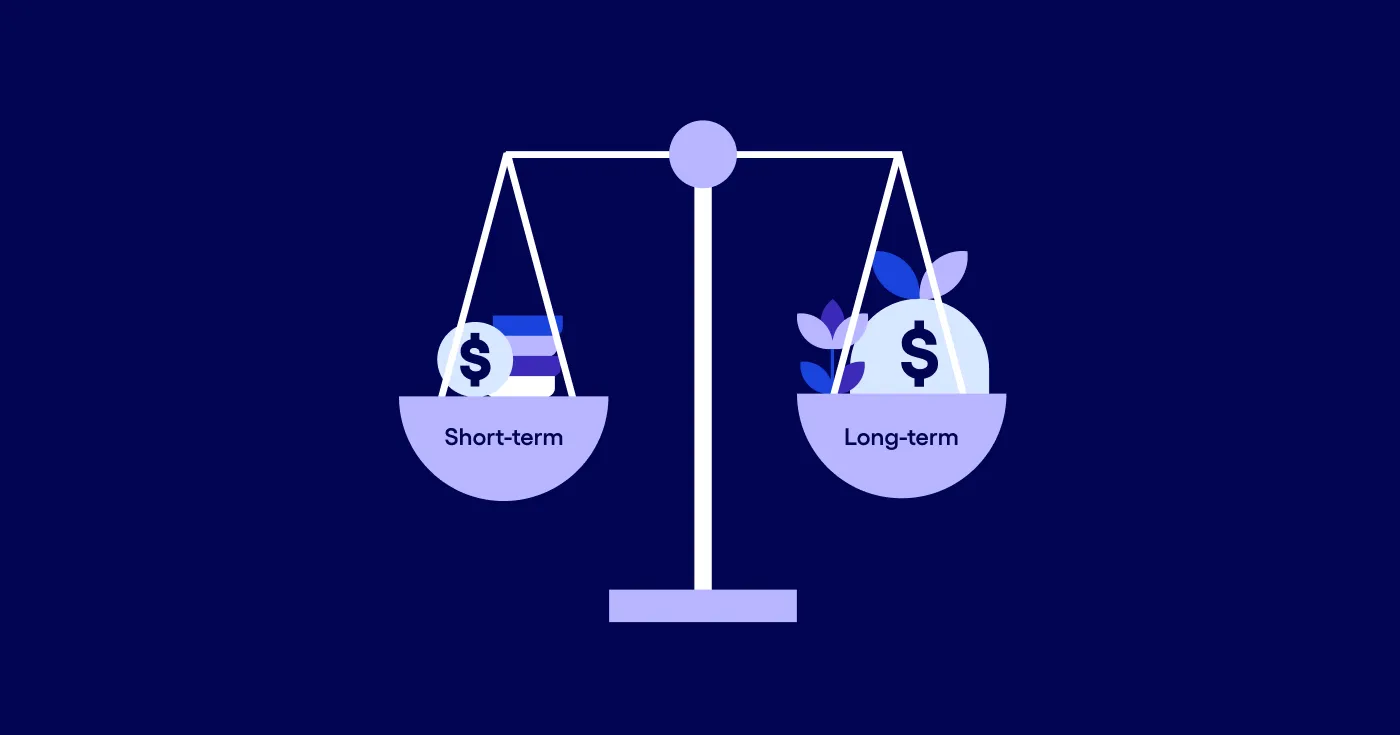
Financial goals generally fall into three categories: short-term, mid-term, and long-term. Each requires different levels of planning and commitment, but all are essential to your overall financial success.
Short-Term Goals

Short-term goals can usually be achieved within a year. They focus on financial stability and creating a solid foundation. Examples include:
- Building a monthly budget
- Creating an emergency fund
- Paying off high-interest credit card debt
- Setting up automatic savings contributions
Short-term goals provide a cushion for unexpected expenses and help prevent financial stress, enabling you to focus on more ambitious mid- and long-term goals.
Mid-Term Goals
Mid-term goals typically take three to five years to accomplish. They require strategic planning and generally involve larger financial resources. Examples include:
- Paying off student loans
- Saving for a down payment on a home
- Purchasing a car with minimal or no financing
- Investing in professional development or education
Mid-term goals act as a bridge between immediate stability and long-term wealth creation. Achieving these goals often requires adjusting your spending habits, saving consistently, and sometimes taking calculated risks.
Long-Term Goals
Long-term goals take more than five years to achieve and are usually centered on financial independence and wealth preservation. Examples include:
- Saving for retirement
- Paying off a mortgage
- Creating generational wealth
- Establishing an estate plan
Time is your most powerful tool when it comes to long-term planning. The earlier you start saving and investing, the less financial stress you will face later in life.
Step-by-Step Guide to Setting Financial Goals
1. Assess Your Current Financial Situation
Begin by evaluating your income, expenses, savings, and debt. Understanding where you stand will help you set realistic goals and develop a financial plan that aligns with your lifestyle and aspirations.
2. Define Your Goals Clearly
Avoid vague statements like “I want to save more money.” Instead, use the SMART framework: Specific, Measurable, Achievable, Relevant, and Time-bound. For example:
“I will save $30,000 for a down payment on a house in five years by setting aside $500 per month.”
3. Prioritize Your Goals
Not all goals are equal. Emergency funds and high-interest debt repayment should take precedence over discretionary spending or investing in high-risk opportunities. Rank goals based on urgency and long-term impact.
4. Craft a Financial Plan
A financial plan includes budgeting, debt management, and saving strategies.
Budgeting:
Develop a budget that works for you. The 50/30/20 rule is a popular method:
- 50% of income for needs
- 30% for wants
- 20% for savings and investments
Debt Management:
Use methods like the avalanche (paying high-interest debts first) or snowball (paying off smaller debts first) to stay on top of obligations. Low-interest debts, like mortgages, can be leveraged for long-term investments.
Emergency Fund:
Aim for three to six months of essential expenses in a highly accessible account. Self-employed or irregular-income earners may want closer to 12 months. Automate contributions to ensure consistent progress.
5. Automate and Monitor Your Progress
Automatic transfers to savings or investment accounts reduce the temptation to overspend and help ensure consistent progress toward your goals. Review your financial plan at least annually or whenever your situation changes, such as a career change, marriage, or addition to the family.
6. Overcome Common Challenges
- Underestimating Expenses: Track spending carefully.
- Procrastination: Schedule financial check-ins and set reminders.
- Emotional Spending: Set limits and avoid impulse purchases.
- Tax Implications: Consult a financial advisor to maximize efficiency.
The Bottom Line
Financial goal-setting is an ongoing process that requires discipline, planning, and flexibility. By clearly defining your goals, creating a budget, managing debt responsibly, and automating savings and investments, you can steadily progress toward financial independence and a secure future. The key is to start now, stay consistent, and adapt as your circumstances evolve.
By following these strategies, you can achieve short-term stability, meet mid-term milestones, and secure long-term financial freedom for yourself and your family.