

Retirement planning is essential for everyone, including low-income earners. Even with limited resources, strategic planning, consistent savings, and smart investing can help secure financial stability in retirement. This guide outlines actionable strategies and tools to help low-income earners plan effectively.
1. Understanding Retirement Planning

Retirement planning involves setting income goals for your post-work life and creating a roadmap to achieve them. For low-income earners, it’s about maximizing limited resources, minimizing risks, and preparing for unexpected expenses. Planning ahead helps:
- Avoid financial stress
- Maintain independence
- Benefit from compounding interest
- Cover unexpected costs, like medical emergencies
2. Key Components of Effective Planning
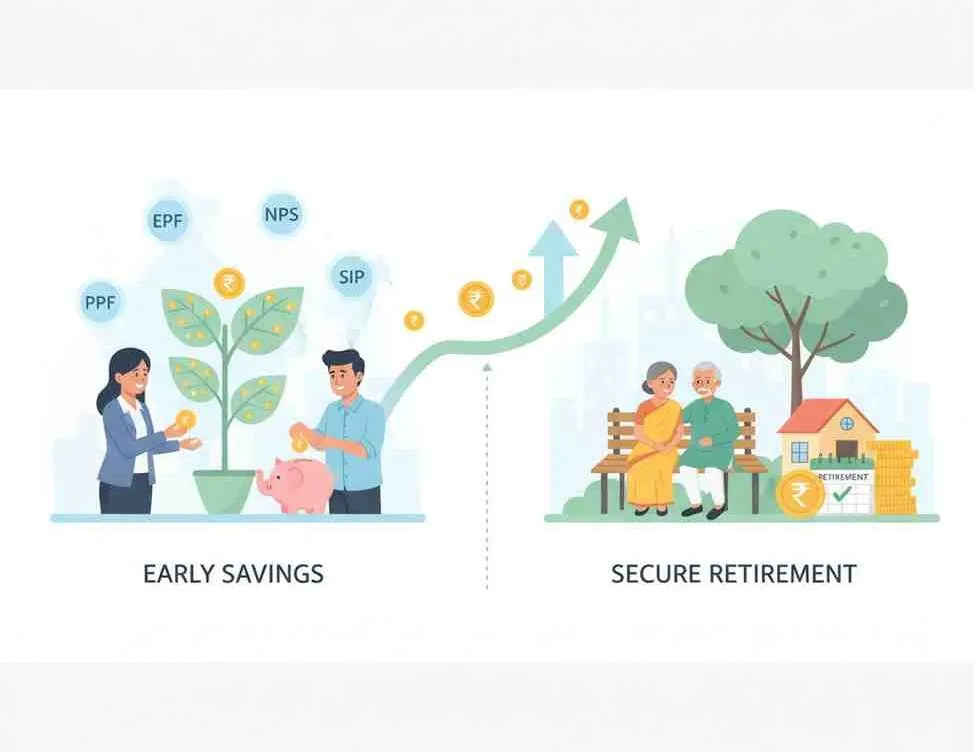
Set Clear Financial Goals: Focus on essential expenses like housing, healthcare, and food. Use retirement calculators to set realistic savings targets.
Identify Income Sources:
- Social Security Benefits: Know your eligibility and optimal claiming age
- Employer-Sponsored Plans: Contribute to 401(k) or similar accounts, especially with matching
- Personal Savings/Investments: Small, consistent contributions matter
- Part-Time Work: Supplement retirement income with freelance or part-time jobs
3. Common Challenges
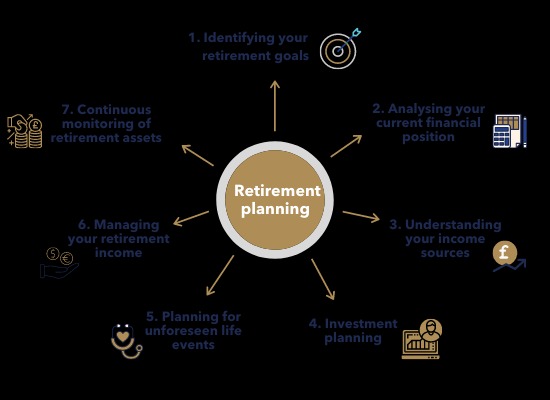
Financial Hurdles: Limited income and competing priorities can hinder savings. Solutions:
- Automate contributions
- Reduce high-interest debt
- Live below your means
Managing Risks: Mitigate inflation, market volatility, and unexpected expenses through:
- Diversification
- Emergency funds
- Low-risk investments like bonds or fixed annuities
4. Proven Strategies
Diversify Investments:
- Low-cost index funds for broad market exposure
- Target-date funds that adjust automatically with age
- Affordable real estate options (e.g., REITs)
Tax-Efficient Planning:
- Roth IRAs for tax-free retirement withdrawals
- Saver’s Credit for eligible low-income earners
- Health Savings Accounts (HSAs) for medical expenses
5. Tools and Resources
- Retirement Calculators: Estimate savings needs
- Budgeting Apps: Mint, YNAB, etc.
- Financial Literacy Resources: Investopedia, MyMoney.gov
- Financial Advisors: Fee-only advisors, CFPs, or free/low-cost nonprofit services
6. Real-Life Examples
- Small Consistent Contributions: $50/month to a Roth IRA can grow to $60,000 over 35 years
- Employer Matching: Contributing 3% with a 100% match significantly boosts retirement savings
- Part-Time Work: Supplemental income can cover medical expenses and leisure activities