

Building strong financial habits doesn’t require drastic changes. Small, consistent actions can set you up for long-term stability and confidence.
1. Review Last Year Before Planning Ahead
- Why: Understanding past spending helps you make smarter decisions for the future.
- How: Use online or mobile banking to track account activity, analyze spending patterns, and identify trends.
2. Set Clear, Realistic Financial Goals
- Why: Goals give your money purpose.
- How: Define objectives like saving for a home, building an emergency fund, or planning for retirement.
- Tip: Align accounts and tools to support each goal for easier progress.
3. Create (or Refresh) Your Budget
- Why: A budget brings clarity, not restriction.
- How: Track income and expenses, prioritize essentials, and set spending targets.
- Tools: Use dashboards, alerts, and transaction monitoring to stay on top of your finances.
4. Build or Strengthen Your Emergency Fund
- Why: Unexpected expenses can derail finances without a safety net.
- How: Open a savings account, money market account, or CD to safely set aside funds while earning interest.
5. Pay Yourself First
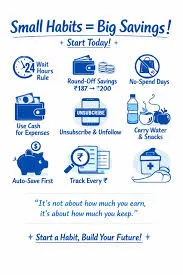
- Why: Automating savings ensures consistent progress.
- How: Treat savings like a fixed expense with automatic transfers from checking to savings accounts.
6. Monitor and Protect Your Finances
- Why: Fraud and errors can undermine financial security.
- How: Use alerts, debit card controls, and fraud monitoring. Regularly check accounts for unusual activity.
7. Use Digital Banking to Stay Connected
- Why: Convenient banking helps you manage finances efficiently.
- How: Access accounts 24/7 via online and mobile banking for deposits, bill payments, and account management.