
A reinvestment rate strategy is a powerful approach to growing wealth or expanding a business over time. Instead of spending profits, you reinvest them to generate even more returns—leveraging the power of compounding.
This guide explains how reinvestment works, why it matters, and how to apply it effectively for long-term success.
1. Understanding Reinvestment Rate Strategy

The reinvestment rate is the percentage of earnings (profits, dividends, or capital gains) that you reinvest instead of spending.
Why it matters:
- It accelerates growth through compounding
- It helps build long-term wealth
- It supports portfolio diversification
Example:
If you earn $10,000 and reinvest $5,000 → your reinvestment rate is 50%.
Formula:
Reinvestment Rate = (Reinvested Earnings ÷ Total Earnings) × 100
2. Importance in Long-Term Growth

The reinvestment rate is a key indicator of:
- Financial discipline
- Growth potential
- Future profitability
High reinvestment rate:
- Signals strong growth focus
- Less cash paid out (e.g., dividends)
- Better long-term expansion
Low reinvestment rate:
- More income distributed
- Slower growth potential
3. Determining the Right Reinvestment Rate

There is no one-size-fits-all rate. It depends on:
Key factors:
- Business or personal goals
- Cash flow and debt levels
- Profitability
- Industry conditions
Example:
- Fast-growing business → higher reinvestment
- Mature business → more dividends
4. Assess Financial Health
Before reinvesting, evaluate your financial position:
Important metrics:
- Revenue growth → Is income increasing?
- Profitability → Are you making consistent profits?
- Cash flow → Do you have enough liquidity?
- Debt-to-equity ratio → Are you over-leveraged?
A strong financial base ensures safe and effective reinvestment.
5. Identify the Best Investment Opportunities
Not all investments are equal.
Consider:
- Risk level
- Expected returns
- Investment horizon
Common options:
- Stocks (higher return, higher risk)
- Bonds (lower risk, stable returns)
- Real estate
- Mutual funds / ETFs
Always align investments with your goals and risk tolerance.
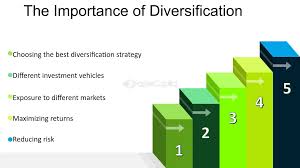
6. Build a Diversified Portfolio
Diversification reduces risk and improves stability.
Ways to diversify:
- Across asset classes (stocks, bonds, cash)
- Across industries (tech, healthcare, consumer goods)
- Across regions (local and global markets)
Tools:
- Mutual funds
- ETFs
Diversification protects your portfolio from major losses in any single area.
7. Measure Success of Your Strategy
To evaluate performance, track:
Key metrics:
- Return on Investment (ROI)
- Cash flow
- Profitability
Example:
ROI = (Net Profit ÷ Investment) × 100
Also compare your results with other investment options to ensure efficiency.
8. Adjust Your Strategy Over Time
Your reinvestment strategy should evolve as your situation changes.
Examples:
- Young investor → reinvest aggressively
- Near retirement → focus on income
Common strategies:
- Full reinvestment → maximize growth
- Partial reinvestment → balance growth and spending
- Dividend reinvestment → generate income
- Fixed investing → consistent contributions
Regular review is essential to stay aligned with your goals.
9. Build a Strong Foundation for Long-Term Growth
Sustainable growth requires strategic reinvestment in key areas:
For businesses:
- Research & development (innovation)
- Employee training
- Customer experience
- Branding and marketing
- Diversifying revenue streams
For investors:
- Long-term discipline
- Consistent investing
- Risk management
Key Takeaways
- Reinvestment is the engine of long-term growth
- Compounding works best with time and consistency
- Diversification reduces risk
- Regular adjustments improve outcomes
- Strategy should align with goals and financial health
Conclusion
A well-planned reinvestment rate strategy helps you maximize returns, manage risk, and achieve sustainable growth over time.
The key is to:
- Start early
- Stay consistent
- Adjust as needed
Whether you’re managing a business or personal investments, reinvesting wisely can significantly accelerate your financial progress.