
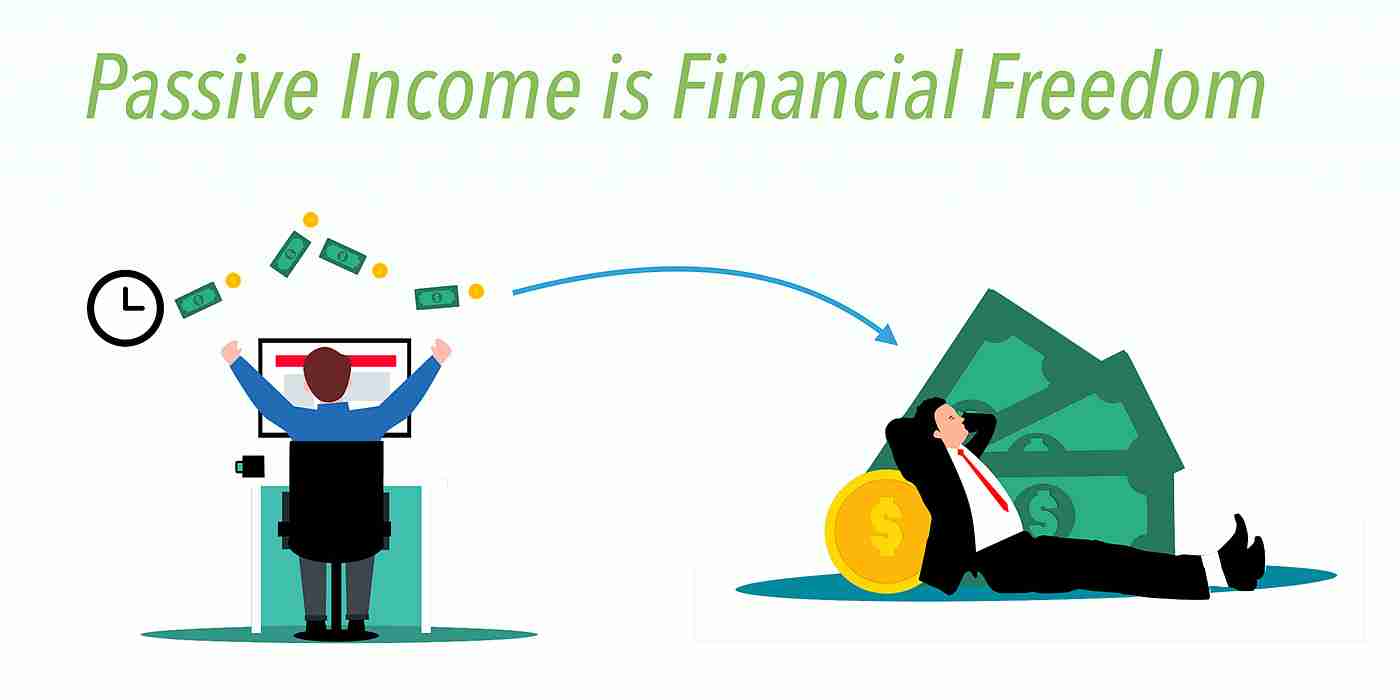
In today’s world, with the cost of living continuously rising, finding ways to generate passive income can significantly improve your financial wellbeing. Passive income can reduce financial stress, give you more freedom, and in some cases, even replace the need for a full-time job. Here are five ways you can start building a stream of passive income while maintaining your regular employment.
1. Generating Passive Income Through Property Investing
Owning an Investment Property
Investing in real estate is a classic way to create passive income. Buying a property usually requires borrowing money, such as through a mortgage, but over time, the debt is typically paid down. Rental income can increase as the property’s value grows, eventually providing surplus cash each month.
Owning a property long-term allows you to benefit from both capital appreciation and steady rental returns. However, it’s not without downsides. Property ownership comes with costs like council rates, insurance, maintenance, and potential tenant-related issues. While you cannot sell parts of a property to access funds quickly, a well-managed property can serve as a reliable long-term income source.
Investing in A-REITs (Australian Real Estate Investment Trusts)
For those who prefer not to deal with the responsibilities of direct property ownership, investing in A-REITs is a viable alternative. These are listed property funds that allow you to gain exposure to commercial real estate without managing tenants or maintenance.
A-REITs are professionally managed and often diversified across multiple properties and regions, reducing individual risk. However, since they are traded on the stock exchange, their value can fluctuate daily, unlike direct property investments. Nevertheless, they offer liquidity and passive income through distributions.
2. Earning Passive Income Through
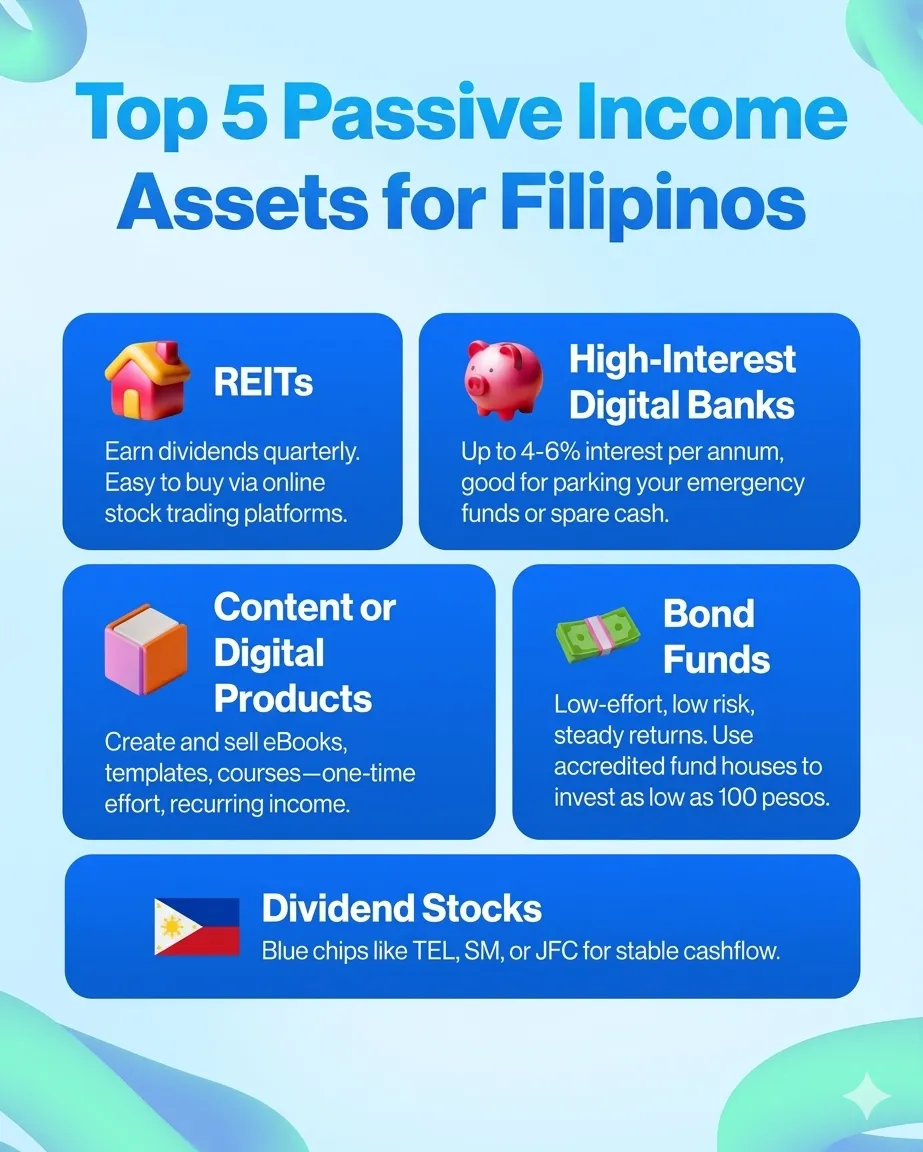
Investing in shares is another powerful way to generate passive income. Many companies pay dividends to their shareholders, providing a steady stream of income. You can invest directly in individual shares or indirectly through managed funds or ETFs (Exchange Traded Funds).
ETFs offer diversification, as they often hold shares from multiple industries, companies, and countries. Shares are generally liquid, meaning you can buy or sell them relatively quickly, and they don’t require a massive upfront investment to get started. Dividends and capital growth together can make shares a strong long-term source of passive income.
3. Earning Passive Income Through Bonds or Fixed Income
Bonds, also known as fixed-income investments, are another source of passive income. When governments or companies need to borrow money, they issue bonds to investors in exchange for regular interest payments.
Government bonds are usually considered lower-risk, especially in stable economies, while corporate bonds carry higher risk but may offer better returns. Historically, bonds have been regarded as safer than shares because they provide a predictable income stream.
Although traditionally accessed by institutional investors, bonds are increasingly available to everyday investors through managed funds or bond ETFs. They can provide a reliable, steady stream of passive income and act as a diversification tool in your portfolio.
4. Earning Passive Income Through a Side Hustle
Starting a side business or side hustle is another way to generate additional income. While it may require some effort upfront, the goal is to eventually create a system that produces income with minimal ongoing work.
Side hustles can take many forms, from creating online content on platforms like TikTok or YouTube, blogging, developing and selling websites, becoming an online reviewer, or offering digital products.
To succeed, you must conduct thorough market research to ensure your chosen niche has demand and growth potential. You also need to evaluate competition, potential revenue, and the long-term sustainability of your venture. A well-planned side hustle can gradually become a source of passive income.
5. Earning Passive Income as an Airbnb Host
If you own a property, renting it out on platforms like Airbnb can turn it into a source of passive income. Short-term rentals often generate higher returns than long-term leases, especially in high-demand areas.
You don’t necessarily need a separate investment property; even a spare room in your home can be rented out to travelers. Airbnb hosting requires some upfront effort, such as setting up the space and managing bookings, but once established, it can produce relatively consistent passive income.