

Financial Managing your money effectively is about making smart decisions with the resources you have. While it may sound simple, it often requires knowledge, consistency, and planning to achieve better financial stability. Below are seven detailed money management strategies to help you gain control over your finances and work toward your financial goals.
1. Create a Budget
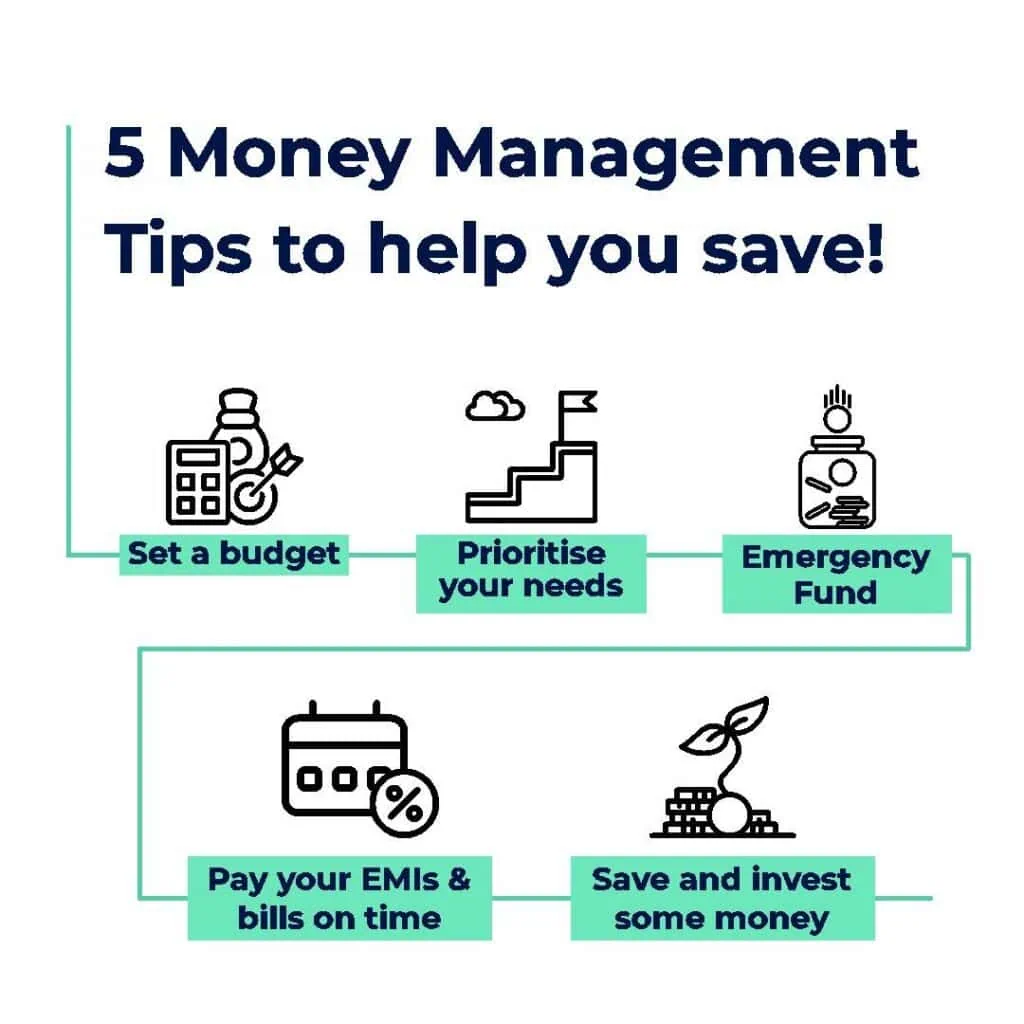
Budgeting is the foundation of good financial management. It helps ensure you have enough money for essential expenses, wants, and future savings.
Steps to create a budget:
- Calculate your monthly income: Include your salary, bonuses, tax refunds, or any additional income from side jobs.
- List your monthly expenses: Account for housing, food, transportation, student loans, utilities, entertainment, and other recurring costs. For fluctuating costs, use an average from previous months.
- Subtract expenses from income: The remaining amount can be used to save or pay off debt.
- Treat your budget as a living document: Adjust it regularly to reflect changes in income, expenses, or financial goals.
Budgeting gives you clarity and control, making it easier to make informed financial decisions.
2. Track Your Spending

Knowing exactly where your money goes is crucial for effective money management.
How to track spending:
- Use digital tools or apps: Many free apps allow you to record and categorize your expenses automatically.
- Manual tracking: Writing expenses in a notebook works well if you prefer a non-digital method.
- Categorize your expenses: Separate your spending into groups (e.g., groceries, bills, entertainment) to identify patterns and areas to reduce spending.
Tracking spending helps prevent overspending and can reveal opportunities to save more.
3. Save for Retirement
Starting to save for retirement early gives your money more time to grow. There are several types of retirement accounts:
- 401(k) Plans: Employer-sponsored plans where you contribute pretax dollars. If your employer offers a match, aim to contribute at least enough to get the full match.
- 403(b) Plans: Similar to 401(k) plans but usually offered to employees of public schools and tax-exempt organizations. Contributions are tax-deferred.
- Traditional IRA: A self-directed account where contributions are tax-deferred. Taxes are paid upon withdrawal in retirement.
- Roth IRA: Contributions are made with after-tax dollars, but qualified withdrawals during retirement are tax-free.
Increasing contributions gradually, even by small percentages, can significantly boost your retirement savings over time.
4. Create an Emergency Fund
An emergency fund acts as a financial safety net for unexpected expenses, such as medical bills, car repairs, or home maintenance.
Tips for building an emergency fund:
- Shop for high-yield accounts: Look for savings accounts that offer higher interest rates to maximize your savings growth.
- Deposit extra income: Allocate tax refunds, work bonuses, or other windfalls to your emergency fund.
- Automate savings: Set up automatic transfers from your paycheck to a savings account to ensure consistent contributions.
A well-funded emergency account provides peace of mind and prevents you from relying on credit cards or loans during emergencies.
5. Manage Debt Effectively
Debt can hinder financial progress, but with the right strategy, it can be managed efficiently.
Common debt management strategies:
- Snowball Method: Focus on paying off the smallest debts first while making minimum payments on others. Provides quick wins but may cost more in interest over time.
- Debt Avalanche Method: Prioritize paying off debts with the highest interest rates first. This approach minimizes interest costs.
- Debt Consolidation: Combine multiple debts into one loan to simplify payments. This can lower interest and make managing payments easier, but watch for fees.
Choosing a strategy that fits your personality and financial situation increases the chances of successfully becoming debt-free.
6. Build Your Credit
Your credit health affects your ability to borrow, rent, and even secure certain jobs. Strong credit habits include:
- Pay all bills on time: Late payments can damage your credit scores and lead to penalties.
- Keep credit utilization low: Aim to use less than 30% of your available credit.
- Maintain long-term accounts: Avoid closing old accounts too quickly, as credit history length impacts your score.
- Apply for credit selectively: Frequent applications can lead to multiple hard inquiries, which may negatively affect your score.
Good credit habits take time but can open doors to lower interest rates and better financial opportunities.
7. Monitor Your Credit Regularly
Monitoring your credit ensures you stay informed about your financial standing and detect errors or fraud early.
- Use free tools like CreditWise to check your credit score and report without affecting your score.
- Credit simulators let you explore how financial decisions, such as taking out a loan or paying off debt, could impact your credit.
- Regular monitoring helps you make proactive adjustments to maintain or improve your credit over time.
Consistent oversight allows you to spot trends, catch mistakes, and strengthen your overall financial health.
By following these seven tips—budgeting, tracking spending, saving for retirement, creating an emergency fund, managing debt, building credit, and monitoring credit—you can take control of your finances, reduce stress, and work toward long-term financial goals.