

Building an emergency fund is essential for financial security. Experts recommend saving 3–6 months of living expenses, but this can feel overwhelming. The good news is that even small, consistent actions can help you reach this goal over time.
1. Save Any Extra Money You Receive
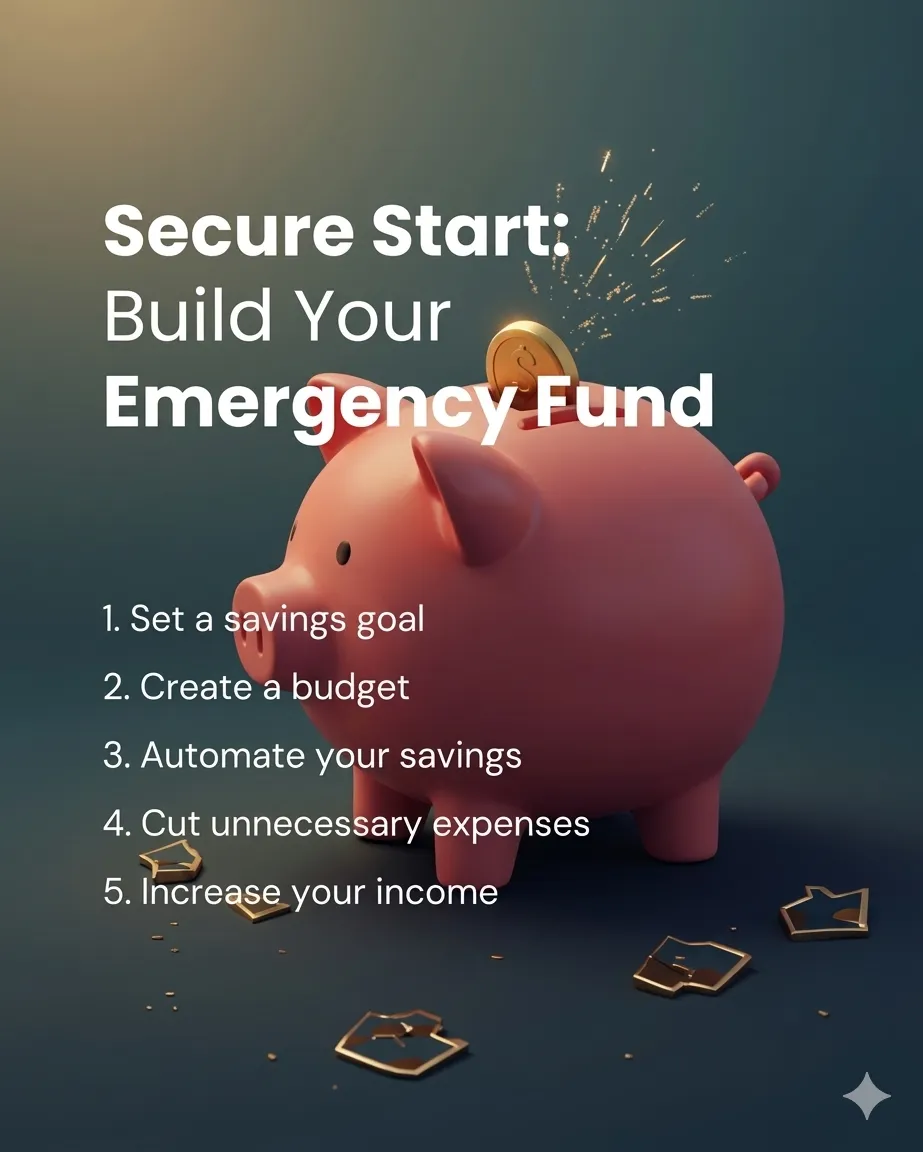
Whenever you get unexpected money—such as tax refunds, bonuses, gifts, or cashback—set it aside for your emergency fund.
Even small amounts matter. If you’re tempted to spend it, consider using only a small portion (like 10%) and saving the rest. This way, you can still enjoy your money while making progress.
2. Find Creative Ways to Increase Income
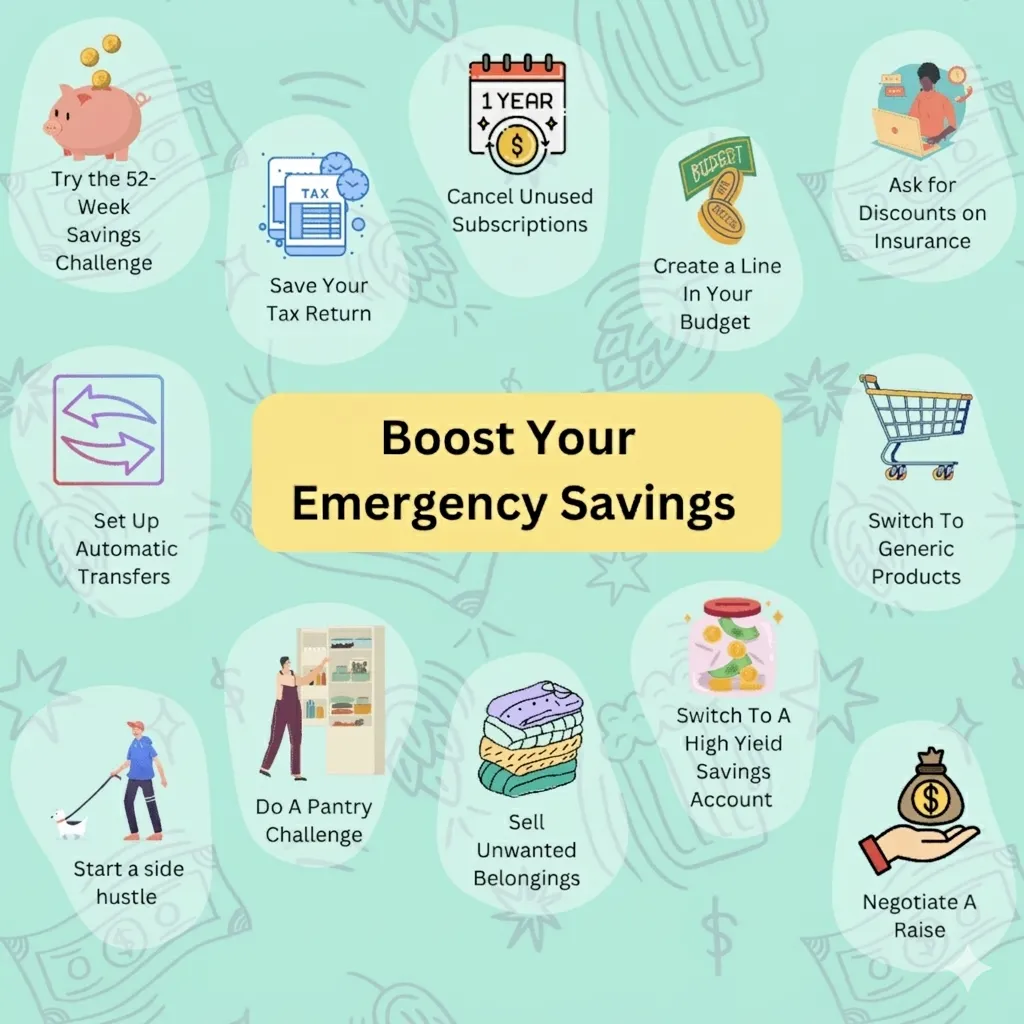
Look beyond your main job to boost your savings. You can take on side work such as:
- Seasonal or part-time jobs
- Freelance or remote work
- Turning hobbies into income (e.g., selling crafts or tutoring)
Extra income streams, even if small, can significantly speed up your savings.
3. Rethink Your Spending Habits
Not all spending brings lasting happiness. Small daily expenses—like coffee or takeout—can add up quickly over time.
Instead of cutting everything, focus on spending money on things that truly make you happy. Reduce unnecessary expenses and redirect that money into your emergency fund.
4. Use Technology to Save Automatically
Set up a separate savings account that’s easy to access. Then automate your savings:
- Schedule regular transfers from your main account
- Use apps that round up purchases and save the difference
Automation makes saving easier and more consistent, helping you build your emergency fund without much effort.
Final Thought
Saving for an emergency fund may seem difficult, especially when money is tight. But by combining small savings, extra income, smarter spending, and technology, you can gradually build a financial safety net and gain peace of mind