
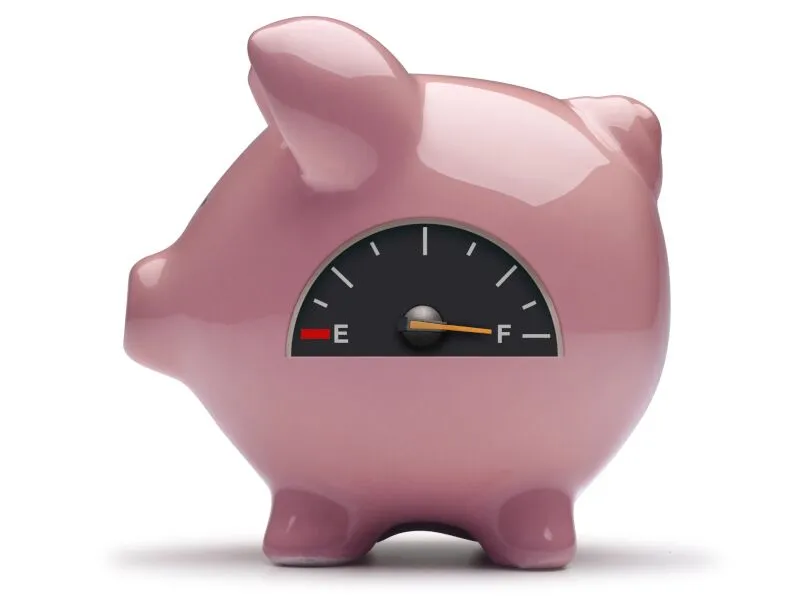
In today’s world, credit is incredibly easy to access. You see something you want, swipe your card, and pay over time—often without thinking about the long-term consequences. Many people assume that if they can afford the monthly payments, there’s no harm in borrowing. Unfortunately, this mindset has become increasingly common, leading to financial stress, mounting debt, and missed opportunities.
Here are ten compelling reasons why saving money is still one of the smartest financial habits you can develop, even when borrowing seems cheap and convenient.
1. Become Financially Independent
Financial independence is often misunderstood. While “being rich” can mean different things to different people, most agree that true wealth is having the freedom to make choices without being tied to a paycheck.
Saving money gives you this freedom. With sufficient savings, you can:
- Take a vacation whenever you like without worrying about cost.
- Leave a job to switch careers or go back to school.
- Start your own business or invest in a friend’s start-up.
- Support family members or take on a less financially rewarding but personally fulfilling job.
- Retire earlier than traditional timelines.
Financial independence is not the same as being wealthy in terms of net worth, but not having to rely on a paycheck can make you feel incredibly rich. Savings act as the foundation that enables this independence.
To explore the concept further, check out Jonathan Chevreau’s popular book, Findependence Day, which explains financial independence in a practical and easy-to-read way.
2. Save Money on Everything You Buy

Relying on credit cards without paying them off in full each month can make purchases far more expensive due to interest charges. In fact, you may be paying 50% more for the same items if you consistently carry balances.
By saving ahead of time, you can:
- Take advantage of sales and discounts.
- Make more deliberate, thoughtful spending choices.
- Stock up on non-perishable groceries or items you can freeze.
Some financial experts estimate that people who save strategically can reduce grocery bills by up to 24% per year and potentially skip a monthly grocery trip. Saving allows you to buy smarter and avoid paying unnecessary interest on borrowed money.
3. Buy a Home Save Money
Homeownership requires savings, particularly for a down payment. Banks typically do not allow you to borrow the down payment itself—you must save it in advance.
- Minimum down payments are usually around 5% of the property’s purchase price.
- Additional costs, such as closing fees, inspections, and insurance, often require another 5%.
Without savings, entering the property market becomes almost impossible. A dedicated savings plan opens the door to owning your own home rather than renting indefinitely.
- Buy a Car Save Money
Purchasing a car, whether new or used, often requires a significant down payment to secure a reasonable loan interest rate.
- Relying solely on credit cards at high interest rates (20% or more) is financially inefficient.
- Zero-percent financing is usually reserved for customers with excellent credit.
By saving, you can make a larger down payment, reduce interest costs, and consider purchasing a quality used car rather than a new one, potentially saving thousands in depreciation and fees.
5. Get Out of Debt

It may seem counterintuitive, but saving money is essential if you want to escape debt. Without savings, emergencies will force you to rely on credit cards, perpetuating a cycle of debt.
- Statistics show that half of people experience at least one unexpected expense each year.
- Unexpected car repairs are common, and without a reserve, you may end up borrowing again.
Before aggressively paying down debt, it’s advisable to save $500–$1,000 as a “reserve fund.” This fund allows you to cover unexpected expenses without going deeper into debt and also provides insight into your spending habits.
6. Annual Expenses
These are predictable but irregular costs like:
- Gifts and holidays
- Vacations
- Car maintenance
- Home repairs or appliances
- Taxes
7. Unforeseen Expenses
These are unexpected but likely costs, such as:
- Major car repairs ($500–$3,000+)
- Home issues (leaks, damage)
8. Emergencies
These are serious, urgent situations like:
- Medical issues
- Accidents
- Emergency travel
- Natural disasters
9. Job Loss or Injury
Income can suddenly stop due to:
- Losing your job
- Illness or injury
- Business downturns
10. To Have a Good Life
Living paycheck to paycheck leads to:
- Stress
- Constant financial crises
- Lack of control