
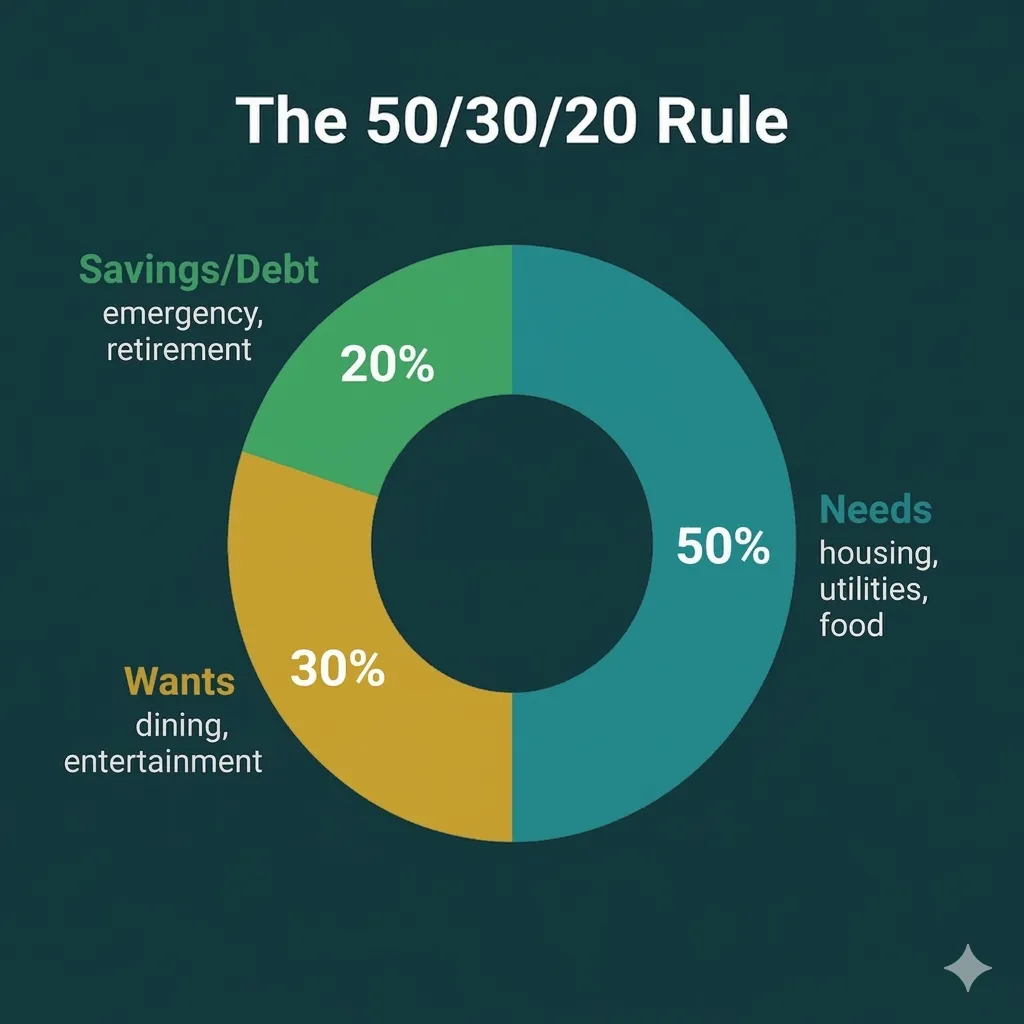
You’ve Budget probably come across the 50/30/20 rule on social media or in personal finance discussions. It’s often presented as an easy, almost foolproof way to manage money: divide your income into three parts—needs, wants, and savings.
But today’s reality is different. With inflation steadily increasing the cost of living, many people are wondering: Is this rule still realistic? Can you really stick to spending 50% on essentials when rent, food, and utilities keep rising?
The short answer: yes, but with flexibility. Let’s break it down.
How the 50/30/20 Rule Works
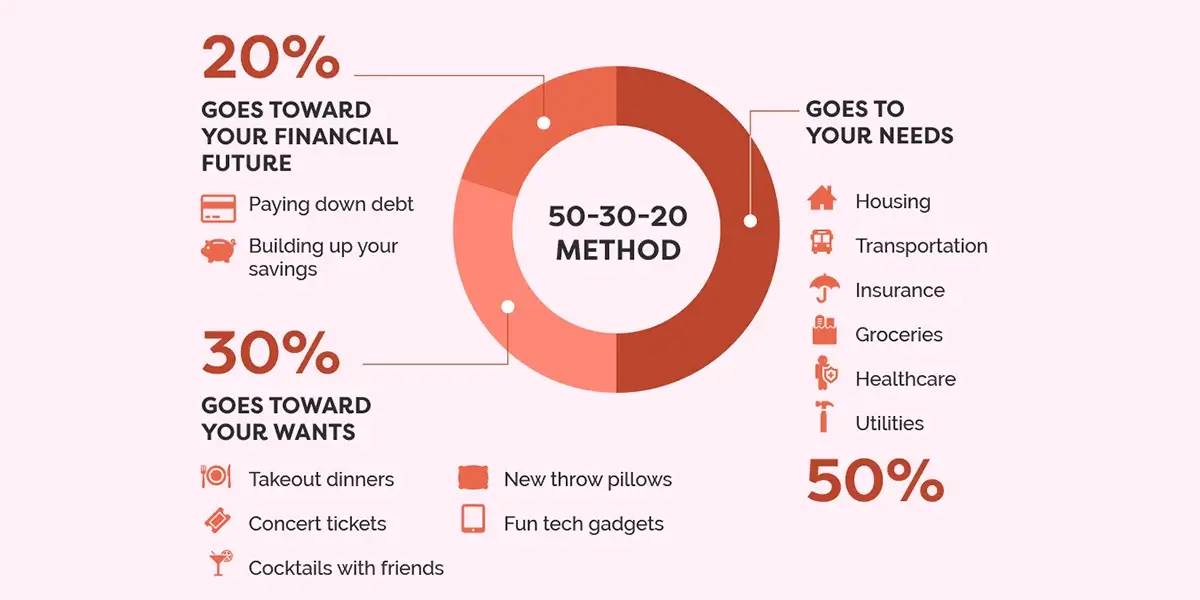
At its core, the rule is simple. You divide your after-tax income into three categories:
50% for Needs
These are your essential expenses—things you can’t avoid:
- Rent or mortgage
- Utilities (electricity, water, internet)
- Groceries
- Transportation
- Loan repayments
The idea is to keep these costs at or below half your income. In theory, this creates room for saving and enjoying life. In practice, especially in expensive cities, this can be difficult.
20% for Savings
This portion goes toward building your financial future:
- Emergency fund
- Retirement savings
- Investments
- Debt repayment beyond minimums
Even small, consistent contributions matter. Automating transfers to a savings account can make this habit easier and more reliable.
30% for Wants Budget
This is your lifestyle spending:
- Eating out
- Travel
- Entertainment
- Hobbies
This category is important—it keeps your budget sustainable. Cutting out all enjoyment often leads to burnout and overspending later.
Why People Like This Rule
The strength of the 50/30/20 rule lies in its simplicity. It gives you:
- A clear structure
- Easy-to-remember guidelines
- A built-in focus on saving
For beginners or those overwhelmed by budgeting, it acts like a roadmap.
Where It Struggles Today
1. Low Income Challenges
If your income is limited, essentials alone may exceed 50%. That leaves little or nothing for savings or wants, making the rule feel unrealistic.
2. High Cost of Living
In major cities, housing and basic expenses can easily take up 60–70% of income. This shifts the entire balance.
3. Inflation Pressure
Rising costs—especially for food, energy, and housing—mean “needs” are consuming a larger share of income than before. Salaries often don’t increase at the same pace.
Adapting the Rule to Real Life
Instead of forcing the rule, treat it as a flexible framework.
Example: A Young Couple
Imagine Emma and Hugo, living in a large city with an average income. Their fixed costs (rent, bills, loans) already exceed 50%.
Rather than forcing the standard model, they adjust:
- 60% for needs
- 15% for savings
- 25% for wants
This version works better for their situation while still maintaining balance.
Practical Tips to Make It Work
- Start small with savings
Even 10–15% is a strong beginning. Consistency matters more than perfection. - Review fixed expenses regularly
Cancel unused subscriptions, compare service providers, and optimize bills. - Keep some room for enjoyment
A budget that’s too strict often fails in the long run. - Adjust without guilt
The rule is a guide—not a law. Your reality comes first.
A More Realistic Approach Today
Depending on your situation, your version of the rule might look different:
- Lower income:
70% needs / 20% savings / 10% wants - Higher income:
40% needs / 20% savings / 40% wants
The key is not hitting exact percentages—but maintaining balance and control.