
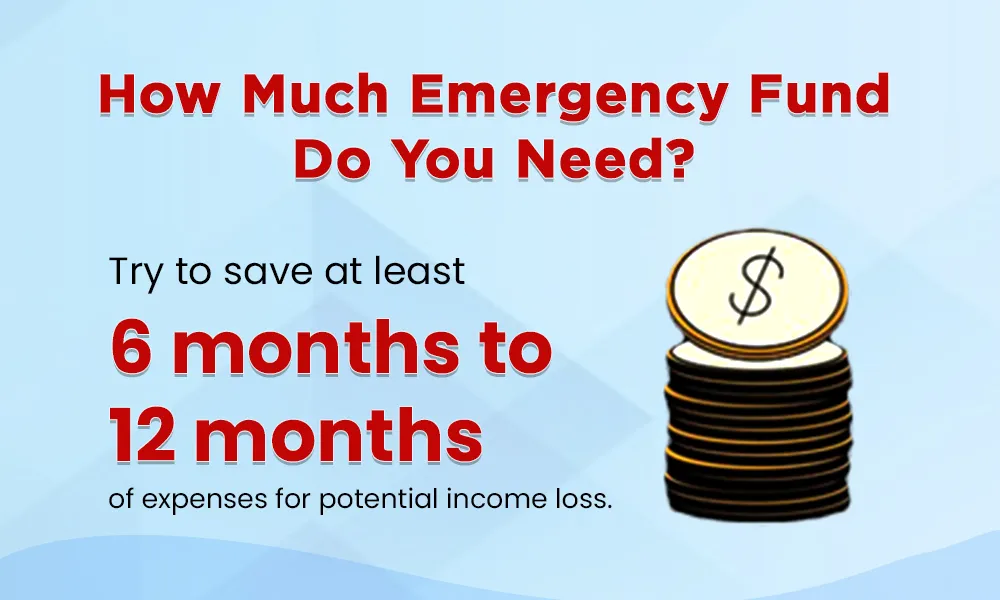
Life is unpredictable. A sudden job loss, medical emergency, or urgent repair can happen at any time—and often when you least expect it.
That’s why having an emergency fund is essential. It gives you financial security, reduces stress, and helps you avoid relying on debt when things go wrong.
The best part? You don’t need to be a finance expert to build one.
What Is an Emergency Fund?
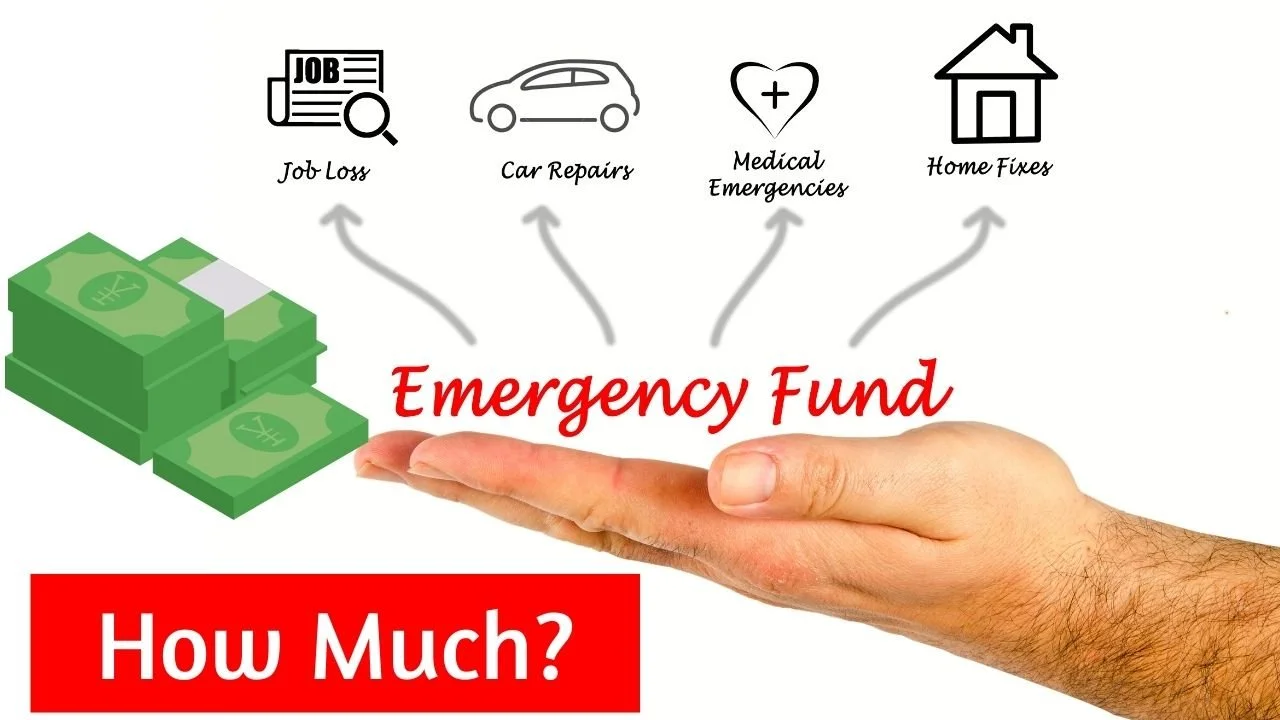
An emergency fund is money set aside specifically for unexpected expenses.
It acts as your financial safety net, helping you cover:
- Medical emergencies
- Car or home repairs
- Sudden loss of income
Instead of using credit cards or loans, you rely on your own savings—giving you more control and peace of mind.
Step-by-Step Guide to Building Your Emergency Fund
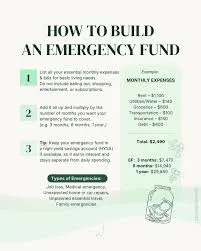
Saving may seem overwhelming at first, but breaking it into simple steps makes it manageable.
1. Start with a Realistic Goal
Saving 3–6 months of expenses is ideal—but don’t start there.
Begin with a smaller target:
- £400–£800 (or local equivalent)
This first milestone builds momentum and confidence.
2. Calculate Your Essential Monthly Expenses
Work out how much you must spend each month:
- Rent or mortgage
- Utilities
- Groceries
- Transport
- Insurance
- Loan repayments
Then multiply:
- 3 months → basic safety
- 6 months → stronger protection
👉 Example:
If you spend £1,200/month → aim for £3,600–£7,200
3. Create a Budget and Cut Back Where Possible
Look at your current spending and identify areas to reduce:
- Cancel unused subscriptions
- Eat out less
- Delay non-essential purchases
- Choose cheaper alternatives for entertainment
Even small savings matter:
👉 Saving £5/day = £150/month
4. Automate Your Savings
Automation makes saving effortless.
Set up a direct transfer on payday:
- Moves money to your emergency fund automatically
- Reduces temptation to spend
Over time, it becomes a habit you don’t even think about.
5. Use Extra Income to Boost Your Fund
Whenever you receive unexpected money:
- Bonuses
- Tax refunds
- Gifts
Save a portion—or all—of it.
You can also:
- Take on a side hustle
- Sell unused items
Every extra bit accelerates your progress.
6. Choose the Right Account
Your emergency fund should be:
- Easy to access (for real emergencies)
- Separate from daily spending
Good options include:
- High-yield savings accounts
- Money market accounts
Keeping it separate helps you stay disciplined.
7. Use It Only for Real Emergencies
This is critical.
Valid uses:
- Medical expenses
- Essential home repairs
- Urgent car repairs
- Job loss
Not valid:
- Shopping
- Travel
- Upgrading gadgets
Discipline ensures your fund is there when you truly need it.
8. Rebuild After Using It
If you dip into your fund:
- Start rebuilding immediately
- Return to regular contributions
Restoring your fund keeps your financial safety net intact.
Special Considerations in Asia
If you live in Asia, an emergency fund can be even more important due to:
- Limited social safety nets in some countries
- Family responsibilities, including supporting relatives
- High living costs in major cities
- Irregular income for freelancers or business owners
In these situations, having savings provides stability and independence.