
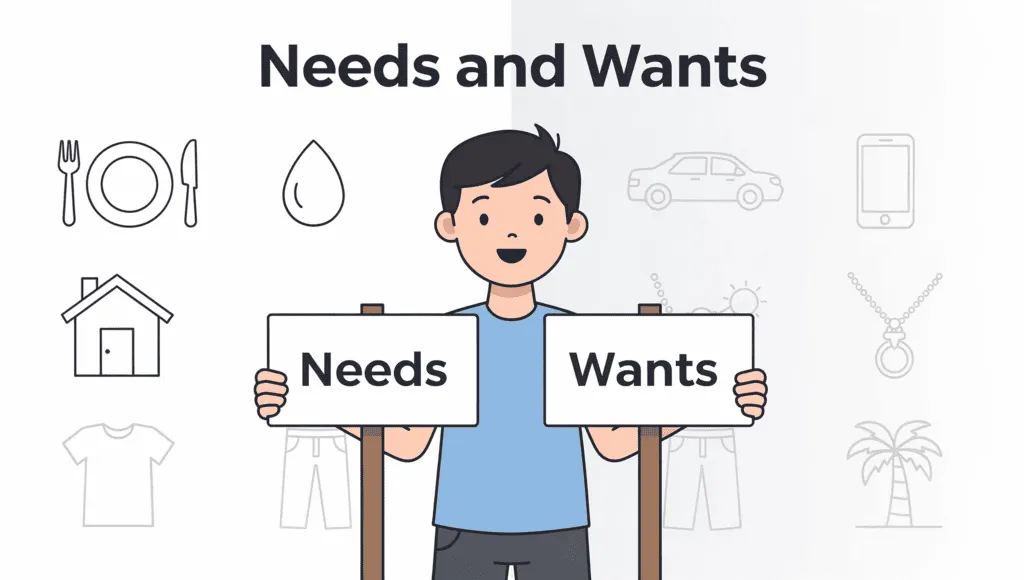
Understanding Spending the difference between wants and needs is one of the most important skills in personal finance. It helps you make better decisions, avoid unnecessary debt, and build long-term financial stability.
The challenge?
In today’s world, wants often feel like needs—thanks to social pressure, advertising, and lifestyle expectations.
So how do you tell the difference—and actually act on it?
What Are Needs vs. Wants?
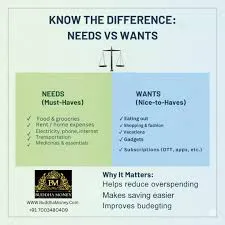
Before improving your spending habits, you need to clearly define both.
Needs (Essential Expenses)
These are necessary for survival and basic well-being:
- Food
- Housing (rent or mortgage)
- Utilities
- Transportation
- Healthcare
- Basic clothing
Without these, your quality of life—or even survival—would be at risk.
Wants (Non-Essential Spending)
These are things that improve your lifestyle but aren’t required:
- Designer clothes
- Latest gadgets
- Luxury travel
- Dining out frequently
Wants are not “bad”—but they should be controlled.
Why It’s Hard to Tell the Difference
In reality, the line between wants and needs is often blurred.
For example:
- A smartphone is a need for communication
- But upgrading to the newest model is a want
Marketing, social media, and peer pressure can make luxury feel necessary. That’s why awareness is key.
Smart Spending Strategies
1. Create a Clear Budget
A budget is the foundation of smart financial management.
Start by:
- Listing your income
- Categorizing expenses into needs vs. wants
- Prioritizing essentials first
This ensures your basic needs are always covered before discretionary spending.
2. Practice Mindful Spending
Mindful spending means being intentional with your money.
Before buying something, ask yourself:
- Do I really need this?
- Does it align with my goals?
- Will it still matter in a month?
A powerful method is the “wait-and-see” rule:
- Wait 24 hours (or longer for big purchases)
- Reevaluate your desire to buy
This helps reduce impulse spending.
3. Prioritize Experiences Over Things
Research shows that experiences often bring more lasting happiness than material items.
Instead of constantly buying new products, consider:
- Traveling
- Trying new hobbies
- Spending time with loved ones
These create meaningful memories and long-term satisfaction—often at a lower cost.
4. Be Strategic With Emergency Spending
Unexpected expenses happen.
In some cases, tools like short-term loans can help—but they should be used carefully and responsibly, and only when necessary.
A better long-term solution is:
👉 Building an emergency fund
5. Seek Financial Advice if Needed
If managing money feels overwhelming, getting professional help can be valuable.
A financial advisor can help you:
- Build a personalized plan
- Optimize spending
- Set realistic goals
- Plan for the future
Even basic guidance can significantly improve your financial decisions.
The Bigger Picture: Building a Balanced Life
Smart spending isn’t about cutting out everything you enjoy.
It’s about:
- Spending intentionally
- Aligning money with your values
- Avoiding waste
- Creating long-term stability