
Financial education refers to any learning that helps people understand how to manage money effectively.
It includes developing:
- Knowledge about money and finance
- Practical skills (budgeting, saving, investing)
- Healthy attitudes toward spending and financial decisions
In simple terms, financial education teaches you how to make smart, informed choices with your money.
Why Is Financial Education Important?
Financial education plays a key role in building financial stability and confidence.
1. Helps You Make Better Decisions
When you understand money, you can:
- Budget effectively
- Avoid unnecessary debt
- Plan for future goals
2. Builds Financial Independence
Learning these skills early helps people:
- Manage their own finances confidently
- Avoid relying on others
- Handle real-world responsibilities
3. Improves Financial Wellbeing
Money problems are a major source of stress.
Financial education helps:
- Reduce anxiety about money
- Prepare for unexpected situations
- Build long-term security
4. Prepares Children for Adult Life
Teaching financial skills early:
- Builds good habits from a young age
- Improves confidence with money
- Helps young people transition into adulthood successfully
In fact, many money habits are formed by age 7, which is why early education is so important.
What Topics Are Covered in Financial Education?
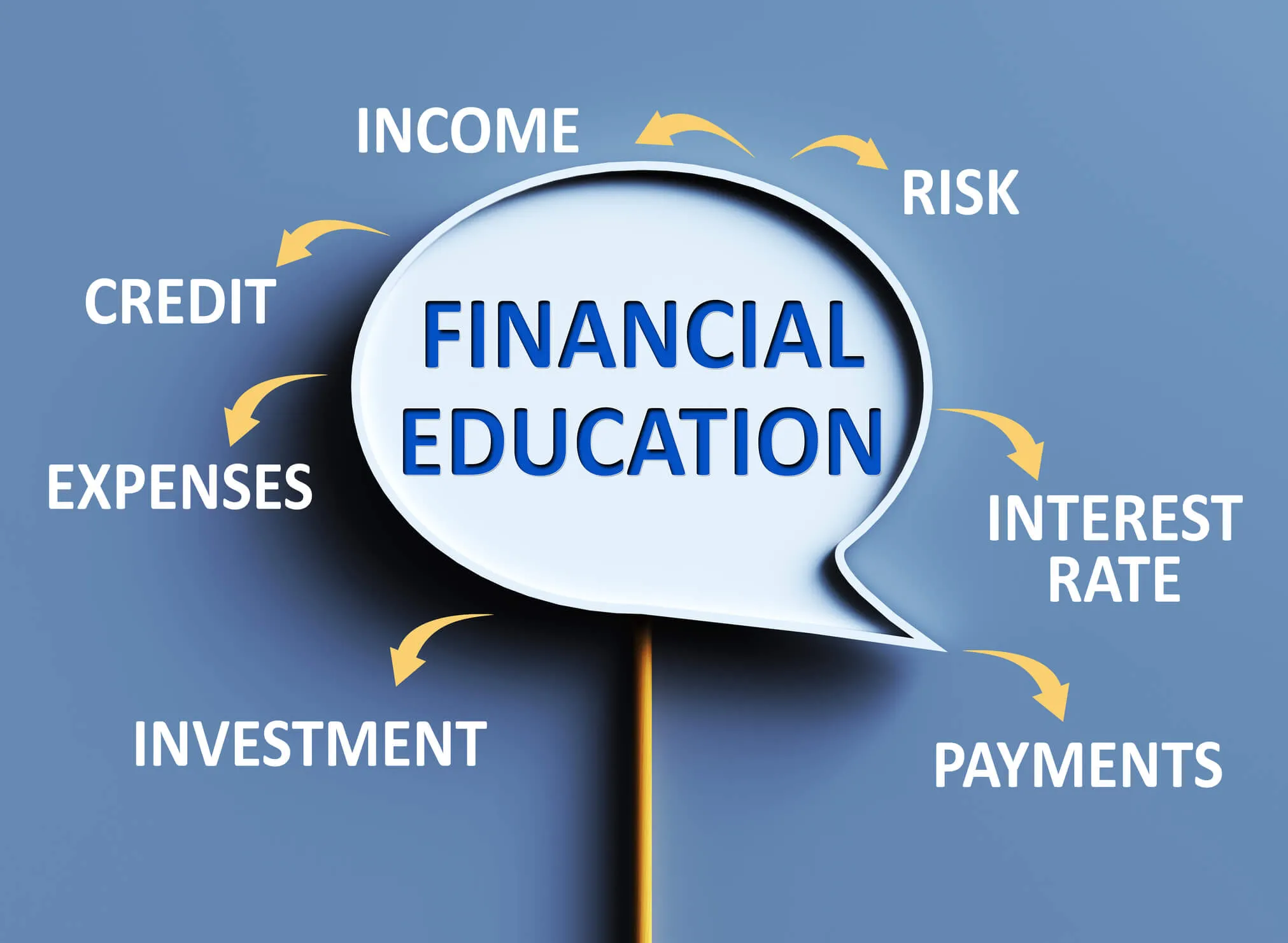
Financial education includes a wide range of practical topics:
Core Areas
- Budgeting
- Saving
- Banking
- Debt management
- Investing
Key Life Skills
- Understanding the value of money
- Making spending decisions
- Planning for the future
- Managing financial risks
Important Concepts
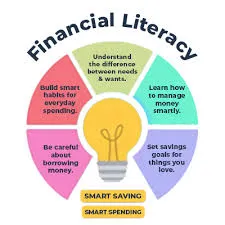
- Needs vs. wants (essential vs. non-essential spending)
- Borrowing and its consequences
- Taxes and how money supports society
- Ethical spending (how products are made and their impact)
Why Learning “Needs vs. Wants” Matters
One of the most important lessons in financial education is understanding the difference between:
- Needs → essential for survival
- Wants → optional lifestyle choices
This skill helps:
- Control spending
- Prioritize essentials
- Avoid financial problems
How Can Financial Education Be Taught?
1. Start Early
Children can begin learning about money from a young age:
- Basic concepts (what money is, where it comes from)
- Simple saving habits
2. Use Real-Life Examples
Teaching works best when connected to real situations:
- Pocket money
- Shopping decisions
- Saving for goals
3. Use Interactive Tools and Resources
Engaging materials like:
- Worksheets
- Games
- Apps
- Real-life scenarios
These make learning easier and more practical.
4. Build Gradually
As children grow, lessons can expand to include:
- Bank accounts
- Credit and debit cards
- Loans and debt
- Financial planning
A Concerning Reality
Studies show that only a minority of young people receive proper financial education before leaving school.
This gap can lead to:
- Poor money management
- Debt problems
- Financial stress later in life