
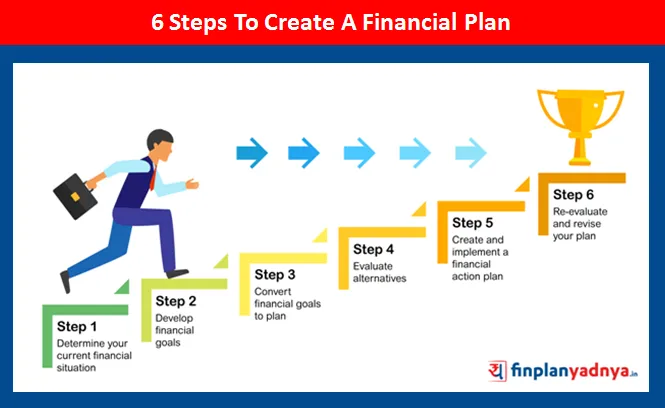
Managing your money effectively is key to achieving life goals like buying a house, starting a family, or saving for retirement. A personal financial plan acts as a roadmap to help you make smart financial decisions, prepare for emergencies, and reach your goals faster.
What Is a Financial Plan?
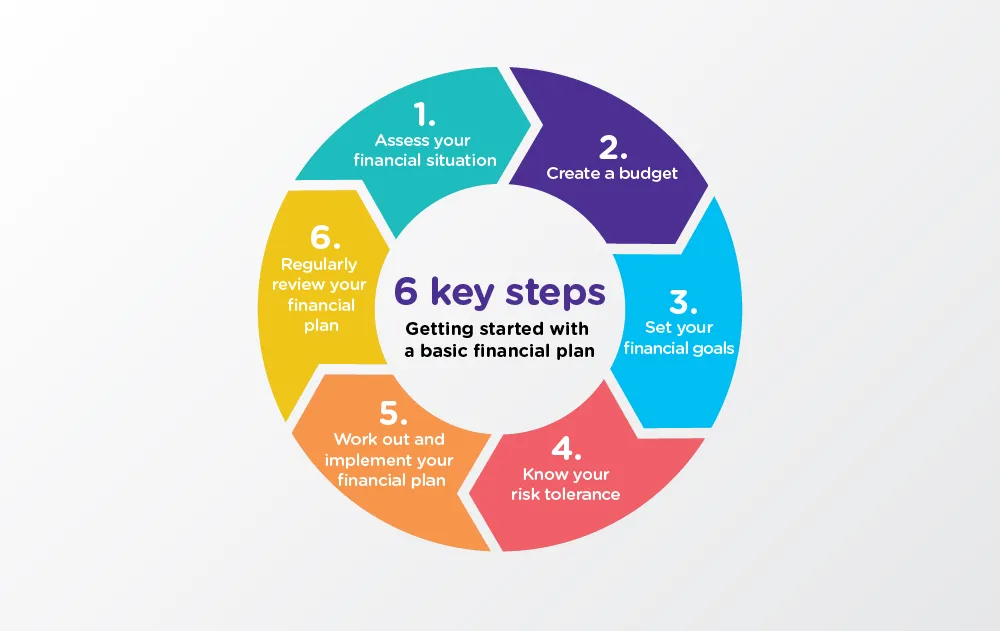
A financial plan is a detailed strategy that shows how to manage your money to achieve your current and future goals. It considers:
- Your income, assets, and liabilities
- Short-term and long-term goals
- Plans for unexpected events (job loss, illness, or economic downturns)
Financial plans can help you gain control over your money and reduce stress about your financial wellbeing.
Personal vs. Business Financial Plans
- Personal plans focus on life goals, wealth building, retirement planning, and taking care of loved ones.
- Business plans focus on company growth, hiring, expanding products, and increasing revenue.
Understanding the difference ensures you create the right plan for your needs.
8 Steps to Create a Personal Financial Plan

Step 1: Review Your Current Situation
- Examine your income, expenses, debts, and investments.
- Review the last 6–12 months of bank statements.
- Categorize your spending into essential and optional expenses.
- Ask yourself:
- Where can I cut spending?
- How much could I save by switching services?
- Are all optional expenses necessary?
Step 2: Set Short-Term and Long-Term Goals
- Goals give your plan direction and purpose.
- Use the SMART framework: Specific, Measurable, Attainable, Relevant, Time-bound.
- Example: “I want to have $2,000 in my savings account by the end of next year.”
- Short-term goals (weekly/monthly) keep you motivated.
- Long-term goals guide your overall financial decisions.
Step 3: Create a Plan for Your Debts
- Identify and prioritize high-interest debts first.
- Consider debt consolidation to reduce interest and simplify payments.
- Include all debts, from credit cards to student loans.
Step 4: Establish Your Emergency Fund
- An emergency fund protects against unexpected expenses.
- Recommended: 3–6 months of fixed expenses (sometimes including variable costs like food and entertainment).
- Essential for freelancers, variable-income earners, or anyone without stable financial backup.
Step 5: Start Estate Planning
- Protect your family with estate planning documents, such as:
- Last will and testament
- Healthcare directives
- Power of attorney
- Trusts and guardianship instructions
- Ensures your wishes are followed and your loved ones are cared for.
Step 6: Begin Investing in Your Future
- Invest based on your short- and long-term goals.
- Consider retirement planning and wealth-building strategies.
- Factors to consider:
- Desired retirement age and lifestyle
- Health considerations
- Current savings rate
- Seek advice if new to investing.
Step 7: Get Protected
- Insurance prevents financial setbacks from unexpected events.
- Common types of insurance:
- Health insurance
- Homeowners/renters insurance
- Car insurance
- Combined with an emergency fund, insurance safeguards your savings and goals.
Step 8: Keep Track of Your Plan
- Review your plan at least quarterly.
- Adjust for life changes: marriage, children, new home, career changes.
- Tracking ensures you stay on course and adapt to new circumstances.
Financial Plan Examples and Templates
Templates simplify the process of creating a financial plan. Examples include:
- Daily Successful Living: Simple net worth calculator and goal tracker.
- Smartsheet: One-page financial plan template.
- Simply Stacie: Printable financial planner.
These templates help you organize finances, set goals, and track progress efficiently.