

Managing your personal finances can feel overwhelming—especially in a fast-moving world where spending is instant, digital payments are everywhere, and financial decisions are more complex than ever.
But at its core, personal financial management is about understanding your money and using it wisely—both for today and for the future.
Let’s break it down into simple, practical principles you can actually apply.
Personal financial management is the process of:
- Tracking your income
- Controlling your spending
- Planning for the future
- Growing your wealth over time
It’s not just about saving money—it’s about making intentional decisions with everything you earn.
One key concept is the cost of living, which includes:
- Housing
- Food
- Transportation
- Healthcare
This determines how much of your income is actually available for saving or investing.
The Golden Rules
1. Know Your Income and Expenses

You can’t manage what you don’t understand.
Track:
- How much you earn
- Where your money goes
This gives you a clear financial picture and helps you avoid overspending.
2. Spend Less Than You Earn
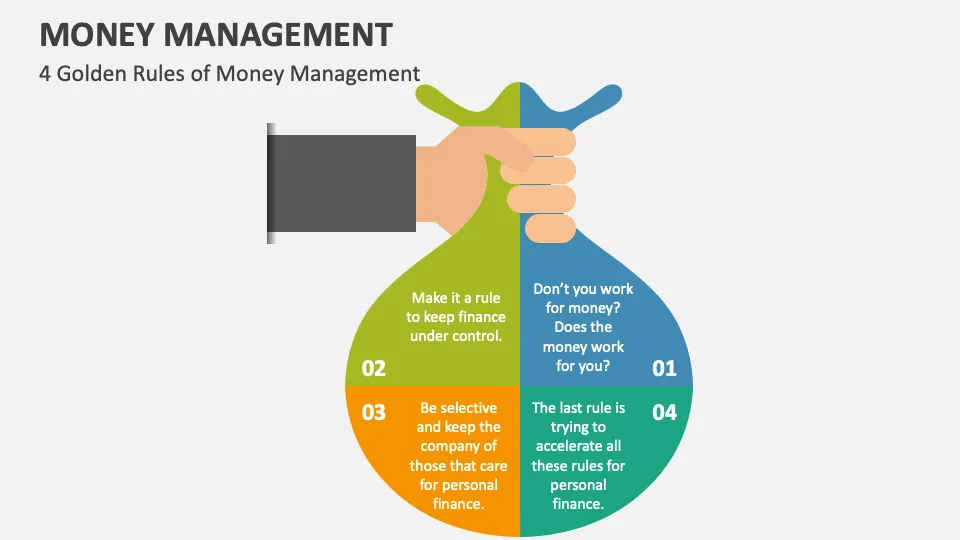
This is the foundation of all financial success.
If you consistently spend more than you earn:
- Saving becomes impossible
- Debt becomes likely
Living below your means creates room for growth.
3. Control Your Cash Flow
Cash flow = income – expenses
Good cash flow allows you to:
- Save regularly
- Handle emergencies
- Invest for the future
Poor cash flow leads to stress and financial instability.
4. Build an Emergency Fund
Unexpected expenses are inevitable.
An emergency fund:
- Protects you from debt
- Provides financial security
- Covers 3–6 months of essential expenses
5. Save Consistently
Saving is not about large amounts—it’s about discipline.
Even small, regular contributions:
- Build over time
- Create financial stability
- Support long-term goals
6. Invest for the Future
Saving alone may not be enough due to inflation.
Investing helps:
- Grow your wealth
- Protect purchasing power
- Achieve long-term goals
But always consider:
- Risk tolerance
- Time horizon
7. Protect Yourself and Your Family
Financial planning includes protection.
This may involve:
- Insurance (health, life, property)
- Emergency planning
It ensures stability even during difficult times.
8. Avoid Unnecessary Debt
Not all debt is bad—but uncontrolled debt is dangerous.
Avoid:
- High-interest borrowing
- Impulse credit spending
Use debt strategically and responsibly.
9. Build Valuable Assets
Assets generate value over time.
Examples:
- Investments
- Property
- Skills that increase income
Focus on acquiring things that grow your wealth, not drain it.
10. Keep Learning and Adjusting
Financial management is not a one-time task—it’s ongoing.
You should:
- Review your finances regularly
- Learn from mistakes
- Adjust strategies as your life changes