

In today’s world—shaped by economic uncertainty, rising living costs, and shifting life priorities—it’s no surprise that many people struggle to hold onto their money. For younger generations especially, saving can feel almost pointless.
When buying a home seems out of reach and financial stability feels uncertain, a common mindset emerges:
“Why save for the future when the present already feels difficult?”
A Growing Financial Struggle
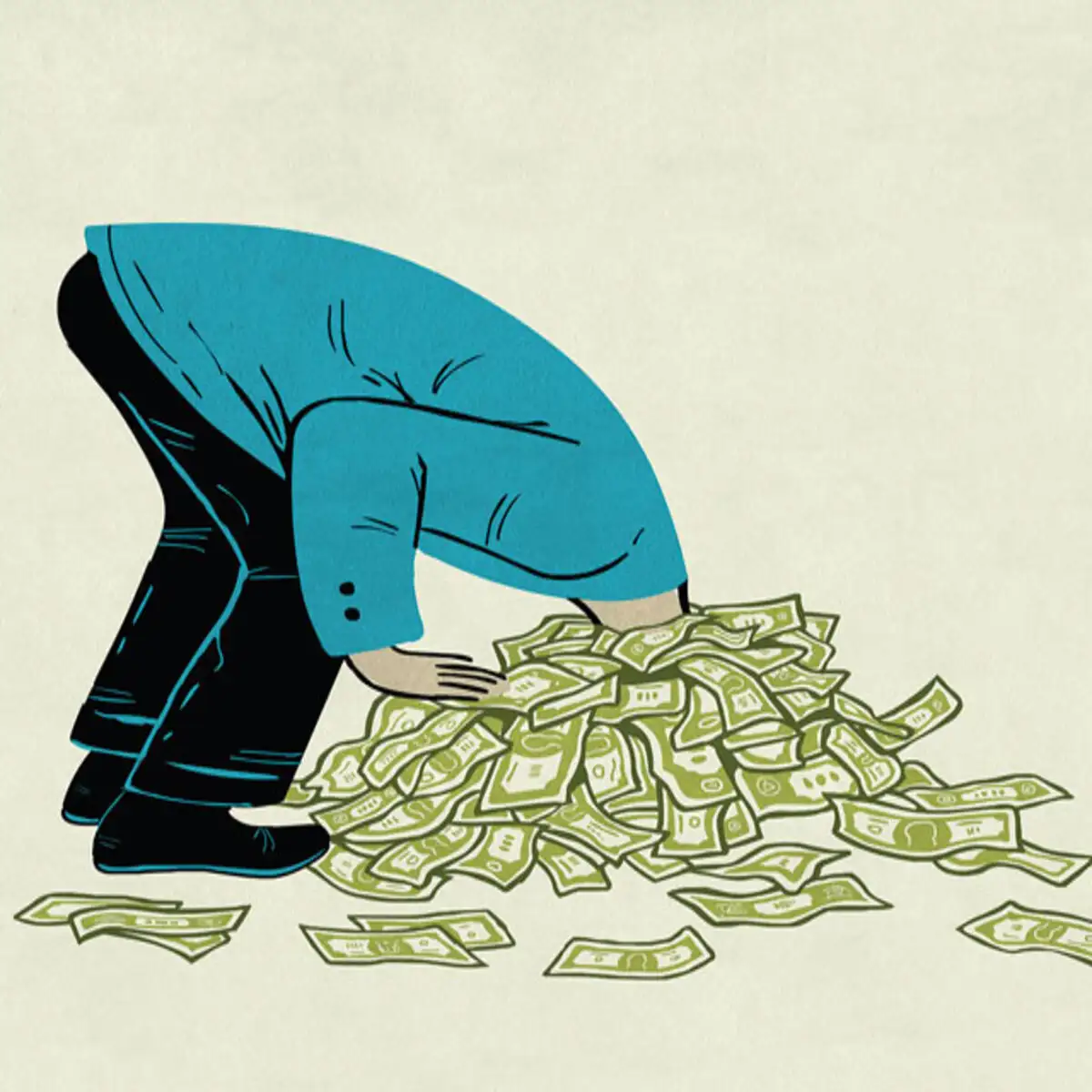
Research shows this isn’t just a personal issue—it’s widespread:
- Around 50% of people aged 18–34 regularly run out of money
- 68% want to start saving more
- 66% feel anxious about money, sometimes even losing sleep over it
This creates a contradiction:
👉 People want to save—but still end up spending.
The Hidden Cause: “Living in the Moment”

A key reason behind this pattern is something psychologists call present bias.
This means:
- We prioritize feeling good now over long-term benefits
- Immediate rewards (food, shopping, experiences) feel more valuable than future security
Real Example: Billie (29)
Even after doubling her salary, she still lives paycheck to paycheck.
Her spending habits:
- Frequent takeaways and food delivery
- Dining out regularly
- Using taxis instead of public transport
- Spending heavily on experiences
She admits:
“I live moment to moment with my money.”
Despite earning well, she saves almost nothing.
Another Pattern: Emotional Spending
Example: Kate (31)
Kate often ends the month in overdraft—not because of essentials, but because of emotional decisions.
Her habits:
- Buying generous gifts for others
- Paying for group meals
- Spending without a clear budget
Her mindset:
“I assume it will be fine.”
But when emergencies arise, she has no financial safety net.
Your “Money Story” Starts Early
Financial behavior isn’t just about math—it’s deeply emotional.
Experts explain that:
- Our beliefs about money begin forming around age 7
- Influences include family, culture, and personal experiences
These beliefs create a “money story”—a subconscious script that drives how we spend and save.
Example:
- If you grew up with scarcity → you may panic-spend
- If you saw “reward spending” → you may justify frequent treats
These patterns often continue into adulthood without us realizing.
Why More Income Doesn’t Fix the Problem
A common assumption is:
👉 “If I earn more, I’ll finally save.”
But in reality:
- Spending often increases with income
- Lifestyle expands (better food, transport, experiences)
- Savings remain low
This is known as lifestyle inflation.
A Generational Shift in Thinking
Compared to previous generations:
- Millennials and Gen Z face higher living costs
- Housing is less affordable
- Long-term financial rewards (like pensions) feel less certain
As a result:
- Many prioritize experiences over assets
- Spending feels more meaningful than saving for a distant future
So What Can You Actually Do?
The good news: awareness + small systems can change everything.
1. Automate Your Savings
Set up a transfer on payday, not at the end of the month.
Why it works:
- Removes temptation
- Makes saving automatic
2. Track Your Real Spending
People usually know big expenses (rent, bills)…
But underestimate small ones (food delivery, shopping, subscriptions).
Using apps or tracking tools helps reveal:
👉 where your money is actually going
3. Use the “Pause Rule”
Before buying something:
- Wait 24 hours
- Ask: Do I really need this?
- Check your emotional state
This reduces impulse spending significantly.
4. Create “Money Pots”
Separate your money into categories:
- Bills
- Savings
- Fun money
- Gifts
- Emergencies
This gives structure while still allowing enjoyment.
5. Cut Low-Value Spending
Rate your expenses from 1–10 based on how much they improve your life.
Then:
- Cut or reduce low-value items
- Keep what genuinely makes you happy
The Real Takeaway
Running out of money at the end of the month is rarely just about income.
It’s usually a combination of:
- Psychology (present bias, emotions)
- Habits (impulse spending)
- Beliefs (your “money story”)
Final Thought
You don’t need to become extremely frugal or stop enjoying life.
The goal is balance:
- Enjoy the present
- But protect your future
Because financial stability isn’t built on big changes—it’s built on small, consistent decisions over time.