

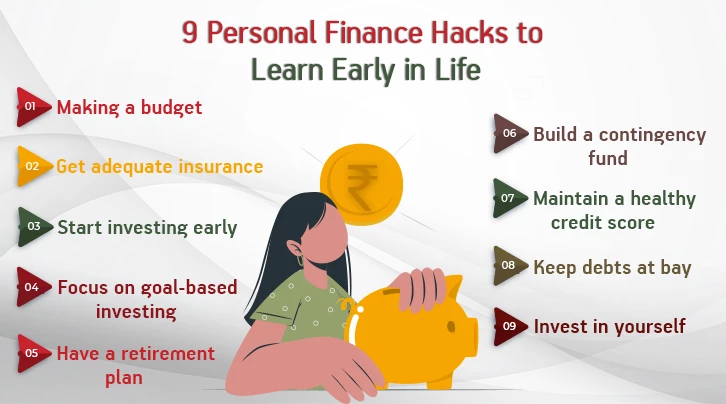
Financial Improving your financial life isn’t about luck or frugality—it’s about building good habits and making consistent, informed choices. Small, incremental changes in the way you manage money can grow your net worth significantly over time. Here are nine practical strategies to help you take control of your finances and work toward long-term financial security:
1. Review and Reduce Nonessential Monthly Expenses
Start by taking a close look at your income and expenditures each month. Identify nonessential spending such as unused subscriptions, memberships, or services you rarely use. Re-evaluate your cell phone, cable, or insurance plans—sometimes, you might be paying for features you don’t need. Cutting back on dining out, unnecessary shopping trips, or other discretionary spending can free up money for savings or debt repayment. Negotiating with service providers or switching to competitors offering better rates can also reduce recurring bills.
2. Try a 30-Day Spending Freeze
A 30-day spending freeze means temporarily avoiding any purchases that aren’t necessary. This helps you identify which purchases are truly essential versus habitual or impulsive. You might also focus on a single category, like clothing, and abstain for a month. Tracking the money you didn’t spend during this period can provide motivation to redirect funds toward debt reduction, building an emergency fund, or saving for a short-term goal, such as a home down payment.
3. Automate Bill Payments

Automating your bills ensures that you never miss a payment and helps maintain a strong credit history. Late payments can lead to fees and negatively impact your credit score, which affects your ability to qualify for low-interest loans or credit cards. By setting up automatic payments for utilities, rent, loan installments, and even savings contributions, you reduce the chance of human error and create consistent progress toward your financial goals.
4. Increase Retirement Contributions
Even a small increase in retirement contributions can make a significant difference due to the power of compound interest. If you participate in a 401(k) plan at work, consider increasing your contribution by 1%. This small adjustment may hardly impact your take-home pay but can grow substantially over time. If you don’t have a workplace retirement plan, explore options like an Individual Retirement Account (IRA) to start saving early and consistently.
5. Pay with Cash When Possible
Using cash instead of cards can help curb mindless spending. Physically seeing your money leave your wallet makes you more conscious of each purchase. This method also reduces the risk of accumulating credit card debt and paying high-interest rates. Cash-based budgeting methods, such as the envelope system, allow you to allocate money to different spending categories and stick to your limits more easily.
6. Create Multiple Income Streams
Relying solely on a primary salary can limit your financial flexibility. Consider side hustles, freelance work, or gig economy opportunities that match your skills or hobbies. Examples include freelance writing, graphic design, social media management, tutoring, dog walking, ridesharing, or running errands for neighbors. Multiple income streams can accelerate debt repayment, boost savings, and provide extra financial security.
7. Avoid Monthly Banking Fees
Banks often charge monthly service fees, maintenance fees, overdraft charges, or ATM fees that can quietly erode your balance over time. Review your bank statements to identify unnecessary charges and switch to an online bank or low-fee account if possible. Over time, eliminating these small fees can result in substantial savings.
8. Make Savings Automatic
Building a savings habit is easier if you automate it. Set up monthly transfers from your checking account to a high-yield savings account, so saving becomes effortless. Even small amounts, such as $20 per month, accumulate over time. Automatic savings can help create an emergency fund, prepare for a major purchase, or achieve long-term financial goals.
9. Pay Down Debt Strategically
High-interest debt can block progress toward financial security. Focus on paying off debt strategically to minimize interest costs and reduce stress. Two common methods are:
- Avalanche method: Prioritize paying off debts with the highest interest rates first while making minimum payments on others.
- Snowball method: Focus on paying off the smallest debts first to build momentum and motivation, then move to larger debts.
Alternatively, consolidating high-interest debts into a lower-interest personal loan can simplify payments and save money on interest over time.
By implementing these nine strategies consistently, you can strengthen your financial foundation, reduce stress, and work toward a more secure and prosperous future. Financial improvement is not about drastic overnight changes—it’s about making intentional, disciplined choices that compound over time.