
Finances One of the most effective ways to manage your finances is the “Pay Yourself First” method. This approach emphasizes saving money before spending it on anything else, helping you secure your future, build wealth, and handle emergencies with confidence.
What Does Finances “Pay Yourself First” Mean?
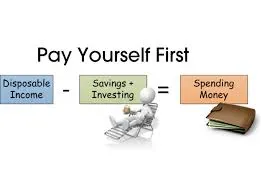
Paying yourself first means setting aside a portion of your income for savings before paying for bills, discretionary spending, or other expenses. The money saved is usually for long-term goals such as:
- Retirement
- Emergency funds
- Large future purchases (house, education, etc.)
By paying yourself first, you are prioritizing your financial security over non-essential spending. This ensures that you save consistently rather than relying on leftover money at the end of the month.
Benefits of Paying Yourself First:
- Retirement security: You’ll accumulate savings over time, reducing stress about future retirement.
- Emergency preparedness: Building an emergency fund ensures you can handle unexpected events without financial strain.
- Financial discipline: Savings become a fixed part of your budget, making non-priority spending less tempting.
How to Pay Yourself First
1. Separate Your Savings
- Divide savings into specific goals such as emergencies, retirement, or other financial objectives.
- Use dedicated accounts or “pockets” so that savings don’t mix with everyday expenses.
- Example: In the Jago app, you can create up to 20 “Saving Pockets” for different purposes. Two pockets could be for emergency and retirement, leaving room for other goals.
2. Start Small
- You don’t need to save a large amount immediately.
- The key is consistency: even small monthly contributions will grow over time.
- Gradually increase the amount you save as your income grows or spending habits improve.
3. Automate Your Savings
- Automating transfers ensures money is saved without requiring manual effort.
- Use features like Auto-Budgeting for each savings goal so funds are allocated automatically every month.
- Automation makes saving effortless and reduces the temptation to spend what you might otherwise save.
Making It a Habit
By paying yourself first consistently:
- Saving becomes a routine part of your financial management.
- You gradually build a secure financial cushion for emergencies and future goals.
- Over time, it reinforces financial discipline, making it easier to resist impulsive spending.